


Electric Power Steering (EPS) is a system that provides steering assistance through an electric power mechanism. It offers several advantages and is becoming a prevalent trend in steering systems. Here are the details:
1:Purpose:
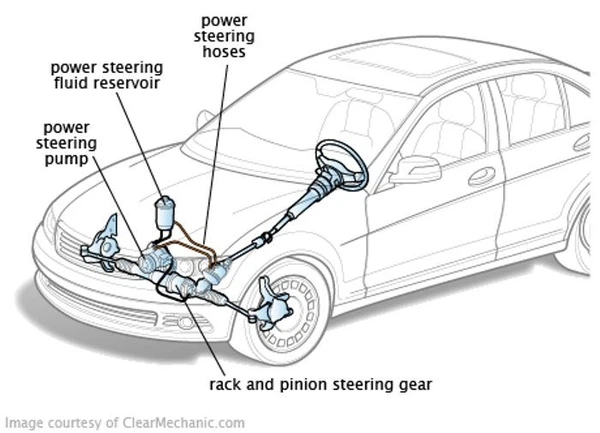
Makes steering, parking, and U-turns easier and more effortless.
2:Advantages:
Electric power assistance does not directly draw power from the engine, eliminating the need for components like belt pulleys. This results in energy savings.
The compact and lightweight design facilitates installation and assembly. It doesn't require components like oil pumps, and there is no need to replace power steering fluid, making it convenient and cost-effective.
The widespread adoption of electric power steering systems by various manufacturers signifies its development trend in steering assistance.
3:Technical Principles:
The Electric Power Steering system (EPS) operates based on the following principles:
When the driver turns the steering wheel, a torque sensor detects the direction and magnitude of the steering input. The sensor sends voltage signals to the electronic control unit (ECU).
The ECU processes the torque signals along with inputs such as steering direction and vehicle speed.
Based on this information, the ECU sends commands to the electric motor controller, which generates the corresponding steering assistance torque in terms of magnitude and direction.
The electric motor provides the necessary steering assistance, offering auxiliary power to the driver. When the vehicle is not being steered, the ECU does not send commands to the motor controller, and the electric motor remains inactive.
There are three types of electric power steering systems: column-assist, gear-assist, and rack-assist systems.



