According to Bloomberg, the manufacturing think tank Trillium Network for Advanced Manufacturing (Trillium) reports that Canadian auto factories are set to produce approximately 1.3 million vehicles this year, marking the lowest level in decades outside of the COVID-19 pandemic. This decline stems from U.S. automakers idling their Canadian plants amid slowing demand.
In contrast, Canadian factories produced over 2 million cars and light trucks as recently as 2018. Trillium's report highlights that Mexico has overtaken Canada as the second-largest supplier of vehicles sold in Canada, relegating Canada to third place. The United States remains the top producer of vehicles sold in Canada.
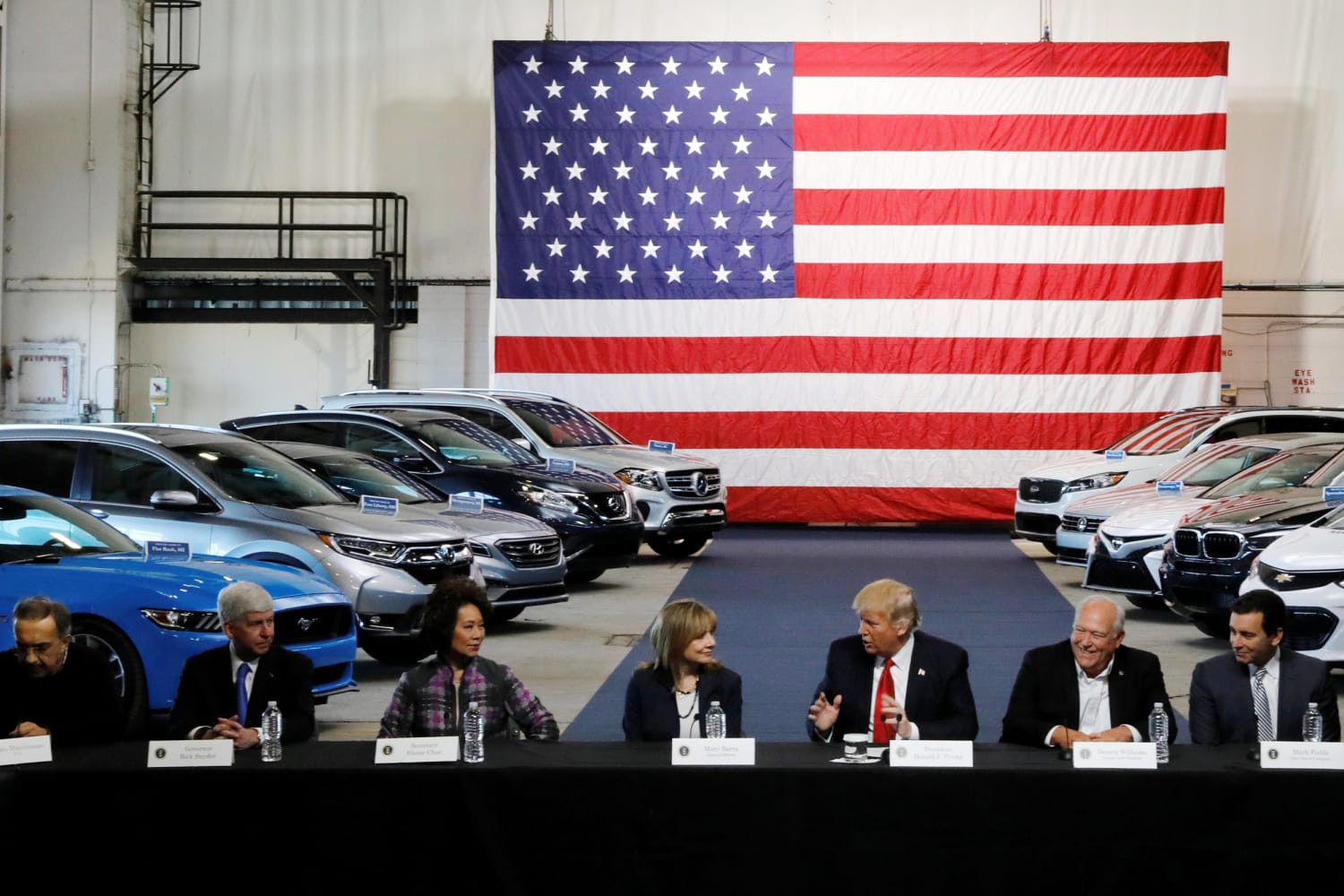
Trillium's data shows that, by dollar value, around 50% of cars and light trucks sold in Canada are manufactured in the U.S., while 15% come from Mexico.
At the same time, vehicles and trucks manufactured domestically now account for only 9% of the Canadian auto market, according to Trillium's calculations. The remainder of the market is dominated by imports from Japan, Germany, South Korea, and other countries.
The data underscores the challenges facing Canada's automotive industry. Asian automakers have captured a significant share of the Canadian market, further squeezing U.S.-based Detroit automakers, who are also struggling to pivot toward electric vehicles (EVs).
However, Donald Trump, the next U.S. president, has pledged to impose a 25% tariff on all goods from Canada and Mexico. Such a move would further disrupt industries dependent on the North American (U.S., Canada, Mexico) supply chain.
While the threat of tariffs looms over Canada's auto sector, this year's decline in production is more closely tied to cooling demand for electric vehicles.
Ford's sole Canadian assembly plant in Oakville, Ontario, near Toronto, has not produced any vehicles this year. Ford initially planned to manufacture electric vehicles there but has since revised its EV strategy. The company previously announced plans to produce a large electric SUV in Canada, only to cancel that plan in April. Now, Ford says it will start producing F-Series Super Duty trucks in Oakville by 2026.
Roughly a year ago, Stellantis produced the last Chrysler 300C sedan at its Brampton, Ontario, plant. According to prior company statements, the factory plans to restart operations in the future to produce a Jeep model.
General Motors continues to operate its plant in Ingersoll, Ontario, which manufactures electric commercial vans, but the facility's capacity is limited.
Meanwhile, Canada's auto parts industry remains strong, supplying components to factories across North America. For example, Ford produces heavy-duty truck engines in southwestern Ontario for use in vehicles assembled in Louisville, Kentucky.
Brendan Sweeney, Trillium's managing director, noted in a phone interview, "If the U.S. imposes tariffs on Canada, it's effectively imposing tariffs on Ford itself. That could increase costs for Ford's iconic F-250 and F-350 models, which are popular among U.S. consumers."