Advantages: The Continuously Variable Transmission (CVT) has a simpler structure, longer internal component lifespan, and greater durability. Compared to traditional automatic transmissions, it offers lower fuel consumption and is more environmentally friendly. The most appealing aspect is the absence of the shock sensation caused by traditional gear shifting and clutch friction during driving, ensuring a smooth driving experience.
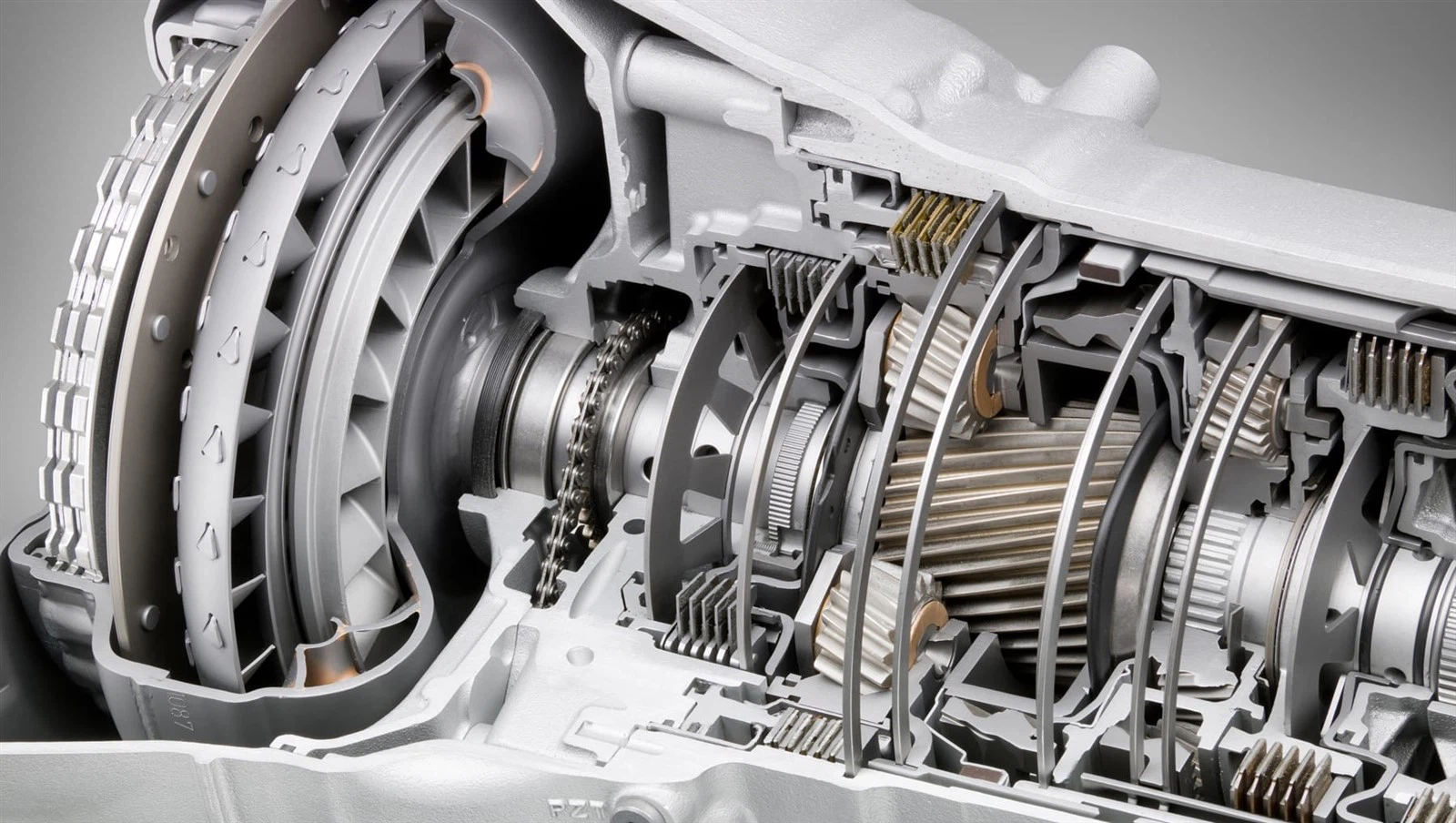
Disadvantages:The only drawback of a CVT might be its cost, as it is more expensive compared to traditional manual and automatic transmissions. Additionally, under heavy load conditions, there may be issues with heat accumulation, requiring load reduction to maintain operation. Its load-bearing capacity is also slightly inferior compared to other transmission types.
In summary, the CVT excels in energy efficiency, driving comfort, and environmental friendliness, making it an indispensable part of new energy vehicles. However, its higher cost, load limitations, and bearing capacity should be carefully considered by users when making a choice.