


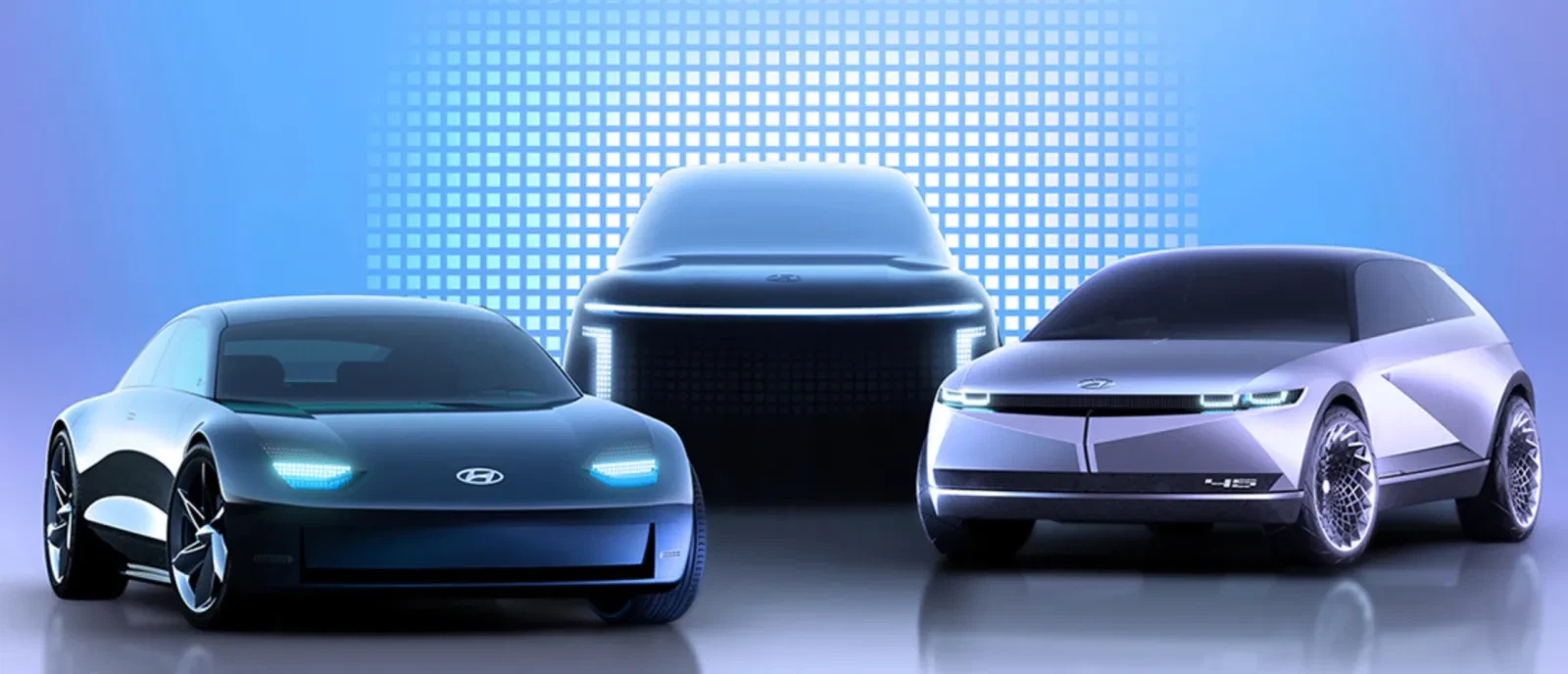
Hyundai Motor Group to Develop Low-Cost Electric Vehicle Batteries
According to recent reports from industry insiders, Hyundai Motor Group is expected to develop its own competitively priced lithium iron phosphate (LFP) electric vehicle batteries later next year, aiming to reduce dependence on Chinese battery manufacturers.
Media reports indicate that, as part of a two-year collaboration initiated earlier this year with South Korean battery manufacturers, Hyundai Motor is set to complete the development of LFP batteries by 2024.
Starting from 2025, these batteries will be installed in Hyundai and Kia's small and entry-level electric vehicles, as well as midsize electric cars.
A Hyundai Motor Group executive declined to comment on the matter, citing confidentiality, but mentioned, "We are considering collaboration with small domestic battery manufacturers in Korea, as well as major corporations like LG Energy Solution, Samsung SDI, and SK On."
Hyundai's goal is to maximize cell capacity, reaching levels above 60 ampere-hours, with an energy density of approximately 300 watts per kilogram. The company plans to elevate the voltage and capacity of the new product to levels comparable to high-quality nickel manganese cobalt (NCM) batteries.
Industry experts note that by committing to reduce reliance on Chinese battery manufacturers and producing cost-effective electric vehicles, Hyundai Motor is taking a bold step by independently manufacturing batteries.
The Hyundai Kona EV and its sibling model, the Kia Ray compact electric sedan, currently use LFP batteries produced by Chinese company CATL.
Experts in the industry suggest that Hyundai's own battery business can also boost the production of lower-priced electric vehicles. With global electric vehicle sales declining, there is an increasing focus on mid to low-priced electric cars.
In June of this year, Hyundai Motor Group CEO Chang Jae-hoon unveiled a 9.5 trillion won (approximately 7.3 billion USD) investment plan for the next 10 years for battery development and technological advancements. Chang Jae-hoon stated that the company will collaborate with battery manufacturers and academic institutions to jointly develop LFP, NCM, and solid-state batteries.
As part of the overall plan, Hyundai Motor, in collaboration with SK On, has already installed the first NCM battery developed for its hybrid cars in the hybrid version of the Hyundai Santa Fe midsize SUV, launched in August.
Regarding the development of lithium-ion batteries and next-generation solid-state batteries, Hyundai plans to collaborate with American companies Solid Energy System and Solid Power.
Hyundai also plans to construct a new research building at its Uiwang research center in Gyeonggi Province next year for research on lithium-ion batteries and solid-state batteries. The company is currently considering building a small pilot production line to test and improve battery performance.



