


According to Bloomberg, Japanese automaker Honda has indicated that it may dynamically adjust its electrification roadmap if demand for pure electric vehicles continues to weaken, suggesting that Honda might delay its electric vehicle targets like other international manufacturers.
Honda aims to sell only electrified vehicles by 2040. Currently, CEO Toshihiro Mibe stated that this goal remains unchanged, attributing the stagnation in current electric vehicle sales to "short-term headwinds."
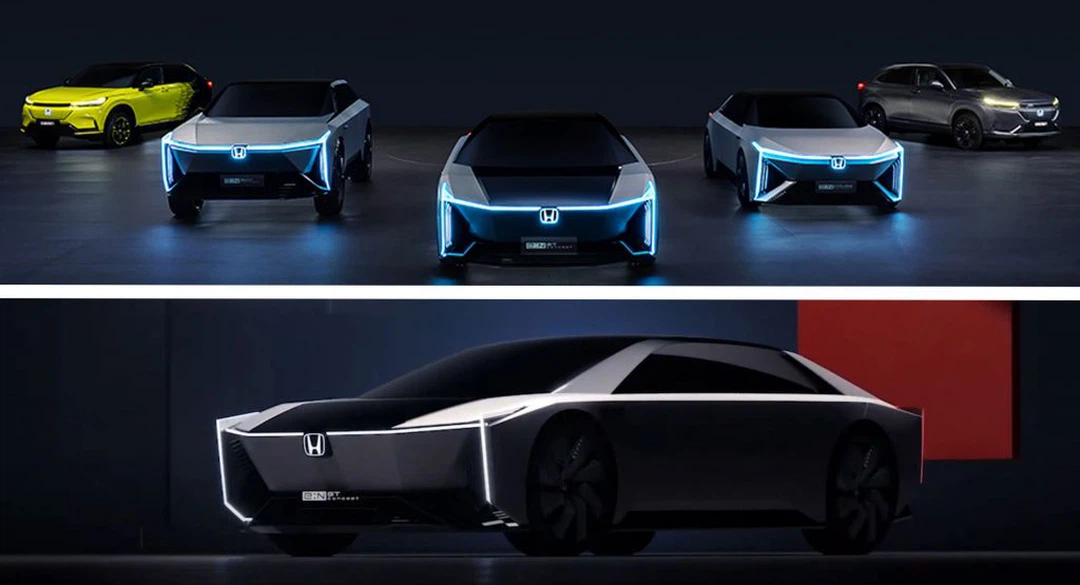
At Honda's recent Technology Day, Mibe told investors, "We have enough flexibility in our timeline for establishing electric vehicle factories, and if things go unexpectedly, we will adjust our electric vehicle strategy in a timely manner." This may include delaying the establishment of some battery production lines.
In the first half of this year, Honda sold approximately 13,000 electric vehicles, accounting for about 0.7% of its total passenger car sales. Currently, Honda offers 11 electric models globally, including the X-NV and e
in China, the Prologue in the U.S. and Canada, and the Honda e, which is still being sold through remaining inventory despite its discontinuation.
Additionally, Honda's highly anticipated electric van, the N-VAN e:, will launch in Japan on October 10. The company also plans to introduce high-end electric vehicles under its Honda 0 series in North America and other markets starting in 2026, with a new model set to debut at the Consumer Electronics Show (CES) in Las Vegas next year.
In May, Honda committed to investing 10 trillion yen (approximately $67.7 billion) in its electrification strategy by the fiscal year 2031, covering software, R&D, and establishing supply chains in key markets like the U.S., Canada, and Japan.
During last week's Technology Day, Mibe emphasized that electric models remain the "best choice" for light trucks and SUVs.
As consumer enthusiasm for purchasing battery-driven vehicles wanes, global automakers have been scaling back their electric vehicle targets, facing challenges such as affordability, lack of charging infrastructure, and range anxiety. Last month, Volvo abandoned its goal of selling only pure electric vehicles by 2030, while Toyota postponed the production of its first U.S.-made electric vehicle to 2026.



