According to media reports, the U.S. Federal Trade Commission (FTC) has accused General Motors (GM) and its vehicle safety and security system, OnStar, of collecting, using, and selling precise geolocation and driving behavior data from millions of drivers without adequately informing them or obtaining their consent.
On January 16, the FTC issued a proposed order prohibiting GM from selling such data to consumer reporting agencies for the next five years.
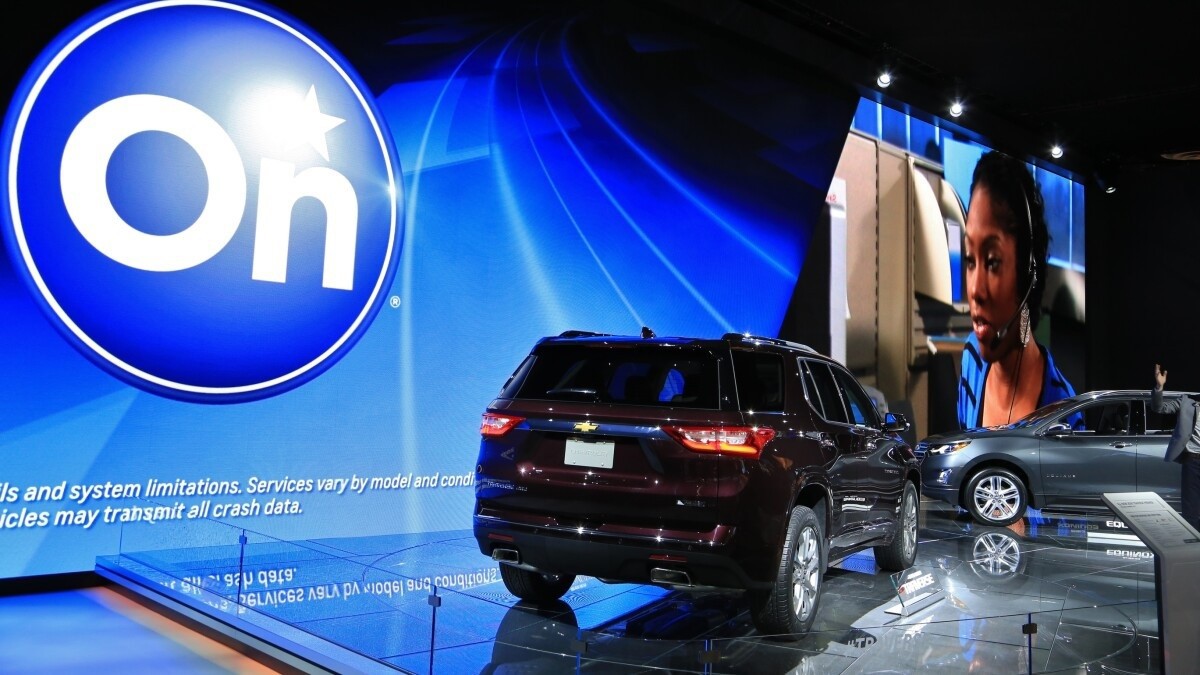
In its complaint, the FTC stated that GM used a "misleading registration process" to get consumers to sign up for OnStar services. Some users reported they were unaware they had enrolled in OnStar's Smart Driver feature, which promised to use driving data to help improve vehicle performance and encourage safer driving.
FTC Chair Lina M. Khan stated in a press release: "General Motors monitored and sold people's precise geolocation and driving behavior data, sometimes updating this information every three seconds."
Previous investigations revealed that GM had been collecting detailed driving habit data from its customers, including hard braking, late-night driving, and speeding. This information was reportedly sold to insurance companies and third-party data brokers. As a result, car owners saw their insurance premiums rise without understanding the reasons behind it.
As part of the FTC's proposed order (pending court approval), GM and OnStar will be prohibited from sharing data with consumer reporting agencies. Additionally, GM must obtain explicit consent from consumers before collecting any vehicle data in the future. The company will also need to allow customers to access and delete their data and limit the collection of vehicle information.
In a statement, GM said the FTC's order reflects "steps we have already taken to provide customers with choices about data collection and how information is used." GM noted that it terminated the Smart Driver program last year, canceled customer enrollments, and ceased selling telematics data to analytics firms LexisNexis and Verisk.
Before the final ruling takes effect, the FTC's order will be open to a 30-day public comment period.