Recently, the German magazine "Auto Week" published a future strategic report revealing that Audi's parent company, Volkswagen Group, plans to restructure its global plants. The report indicated that a European plant would become redundant.
On July 9, Volkswagen Group announced that the Supervisory Board had decided to initiate an "information and consultation process" at the Brussels plant to develop a solution in collaboration with social partners. This process may result in the plant's closure.

If no new value is found, the Audi Brussels plant will be the first Volkswagen Group factory to close in 40 years. The last closure was in 1988 when Volkswagen shut down the Westmoreland plant in Alabama, USA, and since then, Volkswagen has not closed any plant.
The Audi Brussels plant is the brand's first factory dedicated to electric vehicle (EV) production and is currently the birthplace of the Audi Q8 e-tron, which is nearing the end of its lifecycle in the next two to three years.
For months, rumors have suggested that Audi might move Q8 e-tron production to a plant in Mexico or China. The question remains, what will the Brussels plant produce starting in 2027?
In 2018, the Audi Q8 e-tron made its debut, but it has had a lukewarm performance since then. In 2023, the Audi Brussels plant produced 53,555 electric vehicles, a relatively small scale.
In 2024, the Audi Q8 e-tron will be relaunched with minor adjustments, with a starting price of 74,400 euros (approximately RMB 550,000) in Germany, matching the U.S. starting price.
As automakers transition to electric vehicles, they have invested heavily, but recent declines in EV demand have dealt a heavy blow. In the first quarter of this year, Volkswagen Group reported a profit drop of over 20%, attributing it to a decline in deliveries of high-priced models, including Audi.
In addition to underwhelming sales, Brussels faces long-term structural challenges, including difficulties in changing the layout due to its proximity to the city and high logistics costs.
Volkswagen has anticipated the costs associated with layoffs. In April, Volkswagen announced it would spend 900 million euros on layoffs. Three months later, Volkswagen increased this amount by 1.7 billion euros for plant closures and other additional expenses within the year.
On July 9, Volkswagen announced a revision of its annual forecast, expecting an operating return on sales for the year of 6.5%-7.0%, down from the previous 7.0%-7.5%. Porsche also lowered its 2024 post-tax group performance forecast, expecting full-year post-tax profits of 3.5 to 5.5 billion euros.
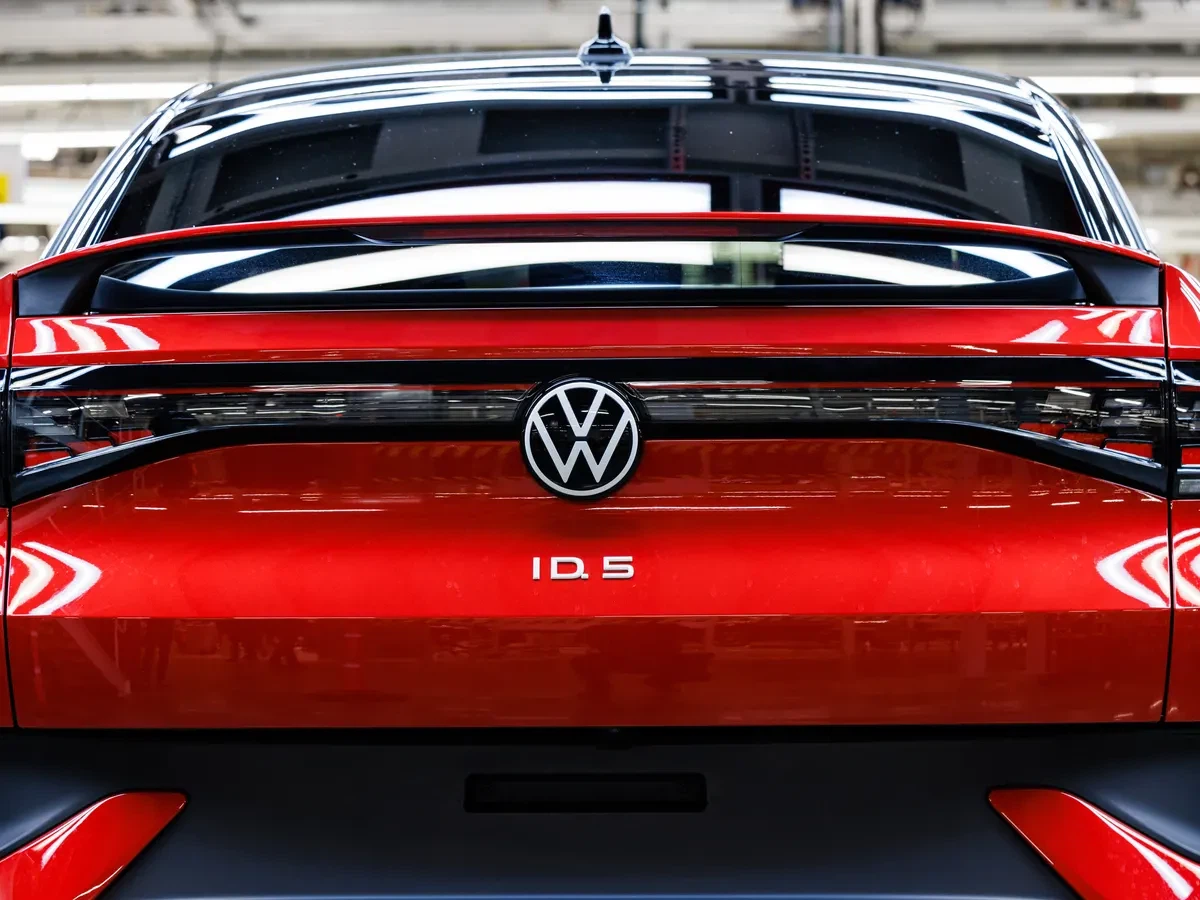
The Brussels plant is the cradle of Audi's electrification.
Since 2018, the plant has mass-produced the first all-electric SUV, the Audi e-tron. In 2020, the Audi e-tron Sportback began production here. In 2022, the Brussels plant secured the production rights for the Audi Q8 e-tron. If Audi's EV sales had exploded, it would have been a different story.
"Audi management must take responsibility for the plant," said Rita Beck, spokesperson for the Audi Committee of the European Volkswagen Group Works Council. The Brussels plant employs about 3,000 permanent workers and 500 temporary workers.
The lower-than-expected demand for electric vehicles is a common problem faced by European automakers, not just Audi. A series of automakers, including Volkswagen and Mercedes-Benz, have reconsidered their EV plans.
"Demand remains weak, with no signs of fundamental improvement," described EY analyst Constantin Gall regarding the European new car market. Economic downturns, geopolitical tensions, and inflation-induced purchasing power declines have cast a shadow over the rise of EV adoption in Europe.
Previously, there were rumors that the Audi Brussels plant could become a supplementary factory for the Audi Q4 e-tron, which is currently mainly produced in Zwickau, Germany. However, disappointing sales of the Audi Q4 e-tron mean that the Zwickau plant itself is not fully utilized.
"Undoubtedly, the federal government will do everything possible to prevent disaster," said automotive expert Tony Verhelle. "After all, the consequences of a complete plant closure are enormous. If Volkswagen Group can find a new model or project for this plant, workers' jobs will be secured for the next five years."
The problem is, "Even Audi Germany doesn't know what models will be produced here in the future, let alone the plant's future," lamented union representative Jan Baetens. "We hope to know the future as soon as possible, preferably by being told which new car we will be producing, as the plant needs a two-year transition period. We are not considering the worst-case scenario for now, but we must remain vigilant."