Gasoline is divided into different grades-such as 87, 89, or 91 octane-based on its octane rating, which measures the fuel's ability to resist engine knocking or pre-ignition during combustion.
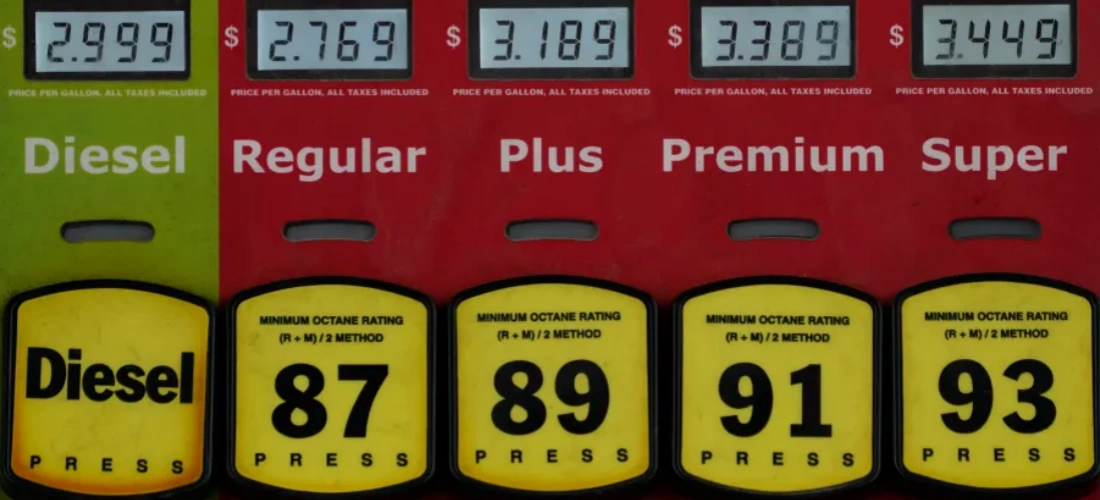
Different engines are designed with different compression ratios. High-performance engines usually have higher compression ratios and require higher-octane fuel to operate efficiently and avoid knocking. Lower-octane fuel in such engines can cause damage over time.
On the other hand, standard engines are designed to run efficiently on lower-octane fuel, which is more affordable.
In short, fuel grades exist to match the needs of different engine designs and to ensure optimal performance, efficiency, and engine protection.