


Having smaller front tires and larger rear tires can negatively affect driving stability. It may lead to issues such as a shaking steering wheel, delayed braking response, and even the risk of vehicle rollover. Therefore, it is advised that vehicle owners avoid this tire configuration, as it carries significant risks. A rollover could have severe consequences.
In general, it is best to select tire sizes that fall within the range specified by the vehicle manufacturer. Oversized tires can lead to an uncomfortable ride and increased vehicle bumpiness. On the other hand, undersized tires can damage the car's rims and wheels, reduce power output, and increase fuel consumption.
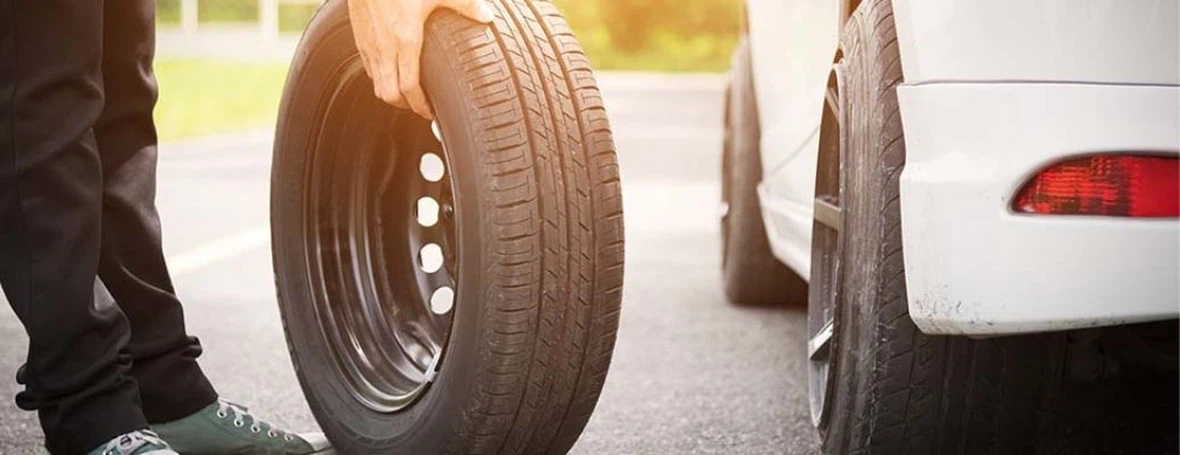
Many sports cars and front-wheel-drive vehicles now use a design where the front tires are smaller than the rear ones. This configuration is intended to enhance handling performance. If a vehicle was originally designed with this type of tire setup, it is recommended to maintain the original sizes when replacing the tires.
Typically, different front and rear tire sizes are also found on rear-wheel-drive vehicles. This is because rear-wheel-drive cars often have more power and require better stability, so the rear tires are usually wider than the front ones. The rear tires are responsible for driving the vehicle, so a wider design helps provide better traction and prevents slipping during acceleration. Additionally, wider rear tires offer a larger contact area with the road, improving handling during cornering.
The front tires are designed to be narrower because they handle steering. To maintain good vehicle control, the front tires do not need to be overly wide. Otherwise, the steering wheel would become excessively heavy, making steering more difficult.



