Too Tight:
1:The belt is too rigid and requires greater horsepower to rotate.
2:Leads to a high radial load on the motor shaft, causing fatigue.
3:Affects the lifespan of the belt.
4:Can cause damage to the engine bearings.
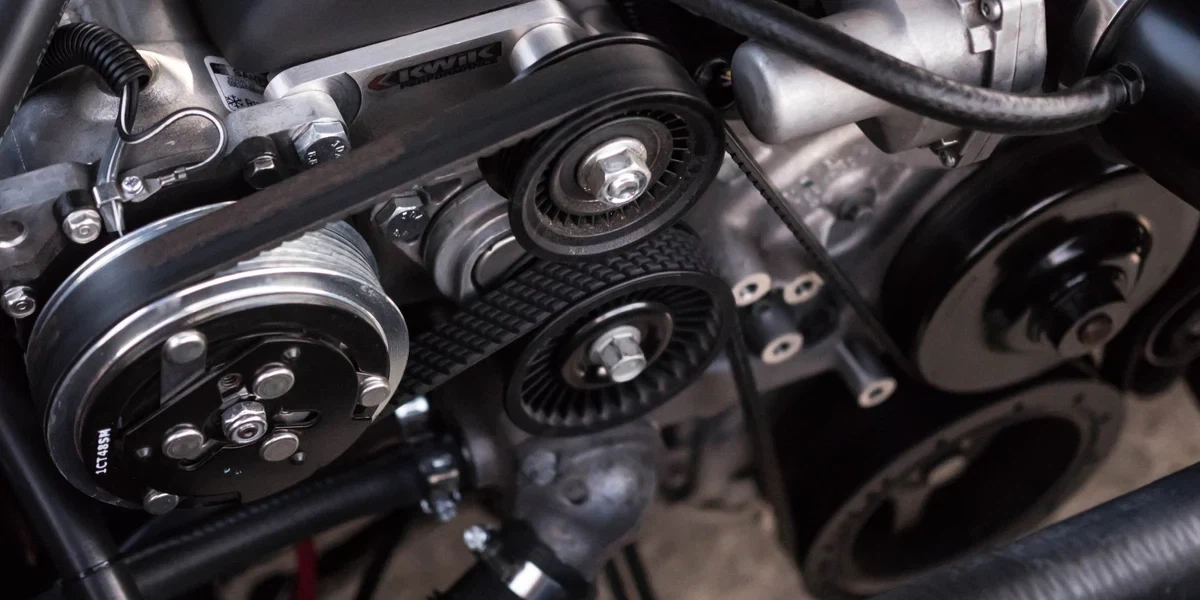
Too Loose:
1:Results in a slipping phenomenon and produces abnormal noises.
2:Leads to premature wear and tear, affecting the belt's lifespan.
3:Results in the engine not charging the battery sufficiently, which affects the battery's lifespan.
4:Potential for engine trembling, power insufficiency, high fuel consumption, and high water temperature.
Signs That It's Time to Replace the Alternator Belt
1:The alternator belt makes noises when running. This situation is due to the belt being too loose or not being positioned correctly. If a grinding sound is heard, it's best to check immediately.
2:The alternator belt shows cracks, signs of tearing, or sections peeling off. This situation could be due to incorrect positioning causing uneven force or corrosion, or the belt has been used for too long and has become aged and hardened.
3:When the alternator belt's usage approaches 2 years or has covered 60,000 kilometers. The general lifespan of an engine belt is 2 years or 60,000 kilometers. So, it should be replaced when nearing this limit. It's crucial not to wait until it breaks as this can be dangerous.
What Happens if the Alternator Belt Breaks?
If the alternator belt breaks while the car is in motion, the vehicle might instantly lose power. If vehicles behind do not maintain a safe distance, a traffic accident can easily occur, especially on highways.
Therefore, it's essential to frequently inspect car components like the engine belt, alternator belt, water pump belt, air conditioning compressor belt, and timing belt, ensuring all parts are in good working condition.