


The functionality of a car's braking system is of paramount importance, not only for the passengers inside the vehicle but also for pedestrians. When a vehicle reaches a specific mileage and is taken in for maintenance, the 4S shop or the car workshop will often recommend a thorough brake check-up. Drivers who are well-versed with safety protocols tend to agree with this advice. However, some vehicle owners with limited knowledge might feel they are being tricked by these shops. So, let's delve into whether such brake maintenance is indeed essential or just a ruse.
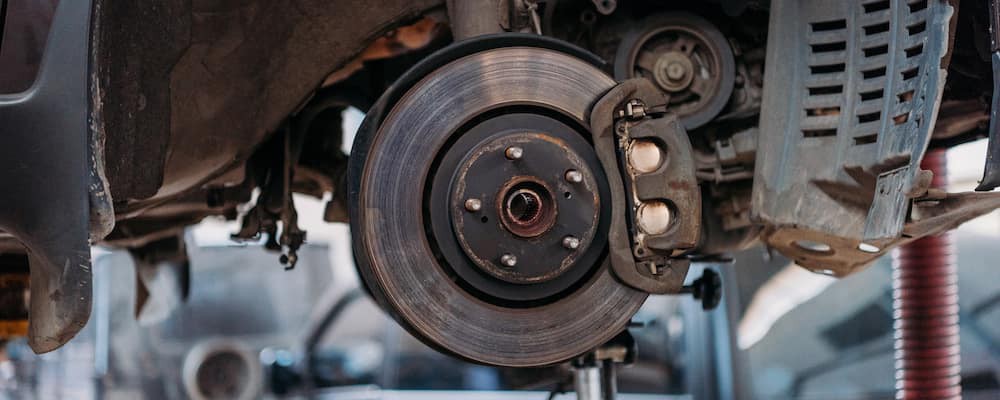
Benefits of Brake Maintenance:
1:Ensures optimal braking performance and prevents brake failures.
2:Stabilizes braking performance, enhances braking power, and ensures precise braking, thereby improving safety.
3:Prolongs the lifespan of the brakes and reduces potential risks.
4:Enhances the feel of the brake pedal, allowing the driver to have better control over the braking distance.
Should you opt for brake maintenance at 20,000 kilometers?
Whether to opt for brake maintenance at 20,000 kilometers is not solely determined by the distance traveled. The age of the brakes and the condition of the brake pads are also crucial factors. If the vehicle is around three years old, it's time to change the brake fluid. Over time, brake fluid absorbs moisture from the air, leading to a reduced boiling point and compromised braking performance. If an inspection of the brake pads shows significant wear, they should be replaced promptly to avoid any potential issues.
How to Undertake Comprehensive Brake Maintenance:
1:Brake pads should be replaced when worn down to one-third of their original thickness. Failing to do so can result in increased braking distances, reduced braking efficiency due to overheating, or even total brake failure. A screeching sound when braking indicates the need for replacement.
2:Front brake discs should generally be replaced between 60,000 to 100,000 kilometers, while rear brake discs should be replaced between 80,000 to 120,000 kilometers. Not replacing them can lead to reduced braking power.
3:Brake fluid should be replaced every 20,000 kilometers. As time progresses, brake fluid absorbs moisture from the air, causing its boiling point to drop and, consequently, reducing its braking efficiency.



