


When driving a manual car, mastering the match between speed and gear is essential. Selecting the correct gear not only enhances vehicle performance but also reduces fuel consumption and protects vital engine components. Let's explore the standards for matching speed and gear in a manual transmission vehicle:
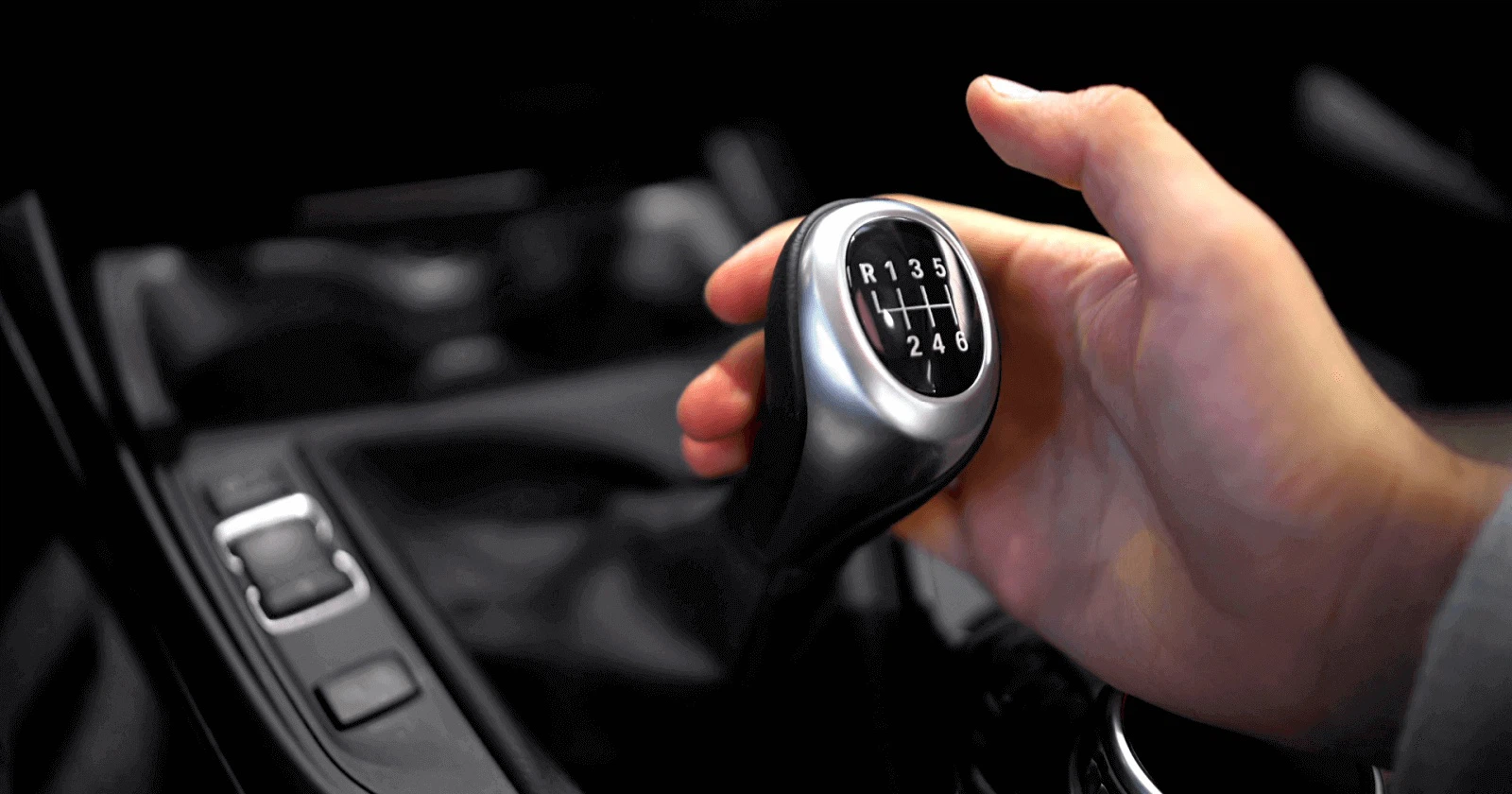
First Gear: For starting or climbing, drivers should engage first gear, maintaining a speed between 0–20 km/h for smooth acceleration. As the vehicle accelerates to 15–20 km/h, promptly shift to second gear to maintain an appropriate speed.
Second Gear: This gear is primarily for low-speed driving and uphill travel. At this gear, the vehicle should run between 10–30 km/h for steady movement. When speed reaches 25–30 km/h, switch to third gear to adapt to varying road conditions.
Third Gear: Commonly used for urban driving, third gear is suitable for city and rural roads, with a speed range of 20–40 km/h. At 35–40 km/h, shift smoothly into fourth gear to ensure stability on highways.
Fourth Gear: Ideal for highway driving, fourth gear should support speeds between 30–50 km/h for efficient operation. Once the vehicle reaches 45–50 km/h, shift to fifth gear to achieve higher cruising speeds.
Fifth Gear: This is the highest gear for highway use. Engage fifth gear when speeds exceed 50 km/h to ensure both safety and stability. Mastering the speed range for each gear will improve driving skills and enhance road safety.
In summary, matching speed and gear in a manual transmission directly impacts vehicle performance and driving experience. Selecting the right gear ensures optimal fuel efficiency and extends vehicle life, offering a more enjoyable driving experience. Remember to shift accurately to keep the vehicle running smoothly.



