Actually, this issue is not severe. After water enters the exhaust pipe, it only requires a simple cleaning and drying process to resolve. Many people mistakenly believe that the source of water entering the engine is through the exhaust pipe, which is a misconception. In reality, water entering the exhaust pipe has little impact on the vehicle's operation, and we can even perform a secondary ignition.
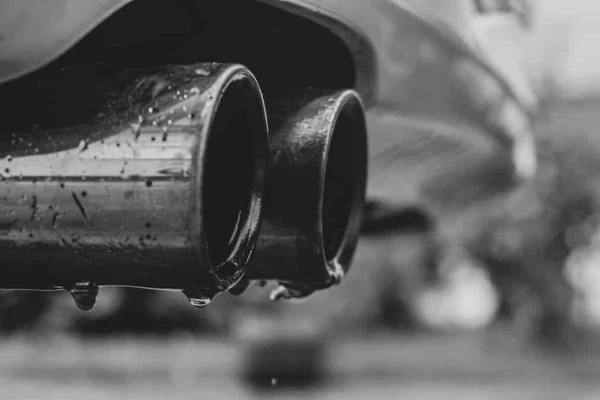
When vehicles encounter water, the main concern is not water entering the exhaust pipe because based on the principles of air pressure, water generally does not flow into the engine through the exhaust pipe. What we need to be cautious about is the intake port. The engine relies on a mixture of fuel and air entering the cylinders for combustion to propel the vehicle. However, if water gets mixed in, the vehicle may stall due to "water ingestion," which is the real danger.
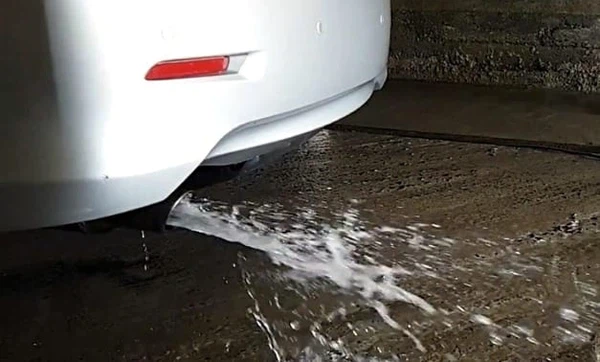
Why is it not a significant issue if water enters the exhaust pipe?
In most cases of encountering water, such as during heavy rainfall, the water pressure on the road surface is much lower than the exhaust pressure. Additionally, the design of the exhaust system prevents water from flowing back into the exhaust pipe as long as the engine continues running. When the vehicle is parked, if water does enter the exhaust pipe, you should observe the relationship between the water level and the wheel height. If the water level is below half the wheel height, you can drive away. However, if it's above half, you should not start the vehicle to avoid potential engine damage.