Engine misfire refers to the sudden reduction of power in one cylinder during operation, leading to severe shaking and decreased performance during idle and acceleration. This article will introduce how to identify whether an engine is experiencing misfire and provide commonly used methods for diagnosis.
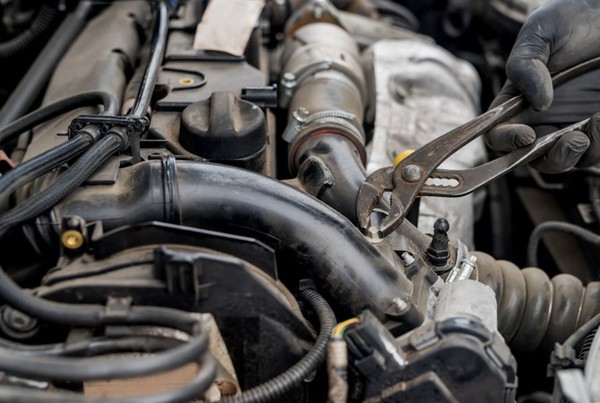
1. Observe Engine Symptoms
Engine misfire exhibits the following symptoms:
1:Noticeable shaking during engine idle.
2:Uneven exhaust from the tailpipe, emitting a "puffing" sound.
3:Decrease in idle speed.
4:Significant power reduction and delayed acceleration.

2. Use the Fuel Cut-off Method for Diagnosis
The fuel cut-off method is mainly suitable for diesel engines and gasoline direct injection engines. The specific steps are as follows:
1:Sequentially disconnect the fuel injector plugs to determine if there is a misfire.
2:For gasoline direct injection engines, observe the fluctuation of the engine speed to make judgments. When unplugging the fuel injector from a normal cylinder, the engine speed will steadily decrease. On the other hand, unplugging the injector from a misfiring cylinder will not result in a speed drop.

In addition to the above methods, you can use a diagnostic scanner to scan the car's fault codes, which can help identify which cylinder is experiencing signal loss and further confirm the presence of a misfire issue.

It's worth noting that the main causes of intermittent engine misfire are related to fuel supply, ignition, and intake system issues. For instance, problems such as aging ignition coils and spark plugs, abnormal spark plug wires, clogged fuel injectors or fuel lines, excessive carbon buildup on spark plugs, etc., can lead to the occurrence of misfire.