Understanding the differences between NEDC and WLTC testing standards has become particularly important. From the test content and meaning to the background of the developers, these two standards show significant differences.
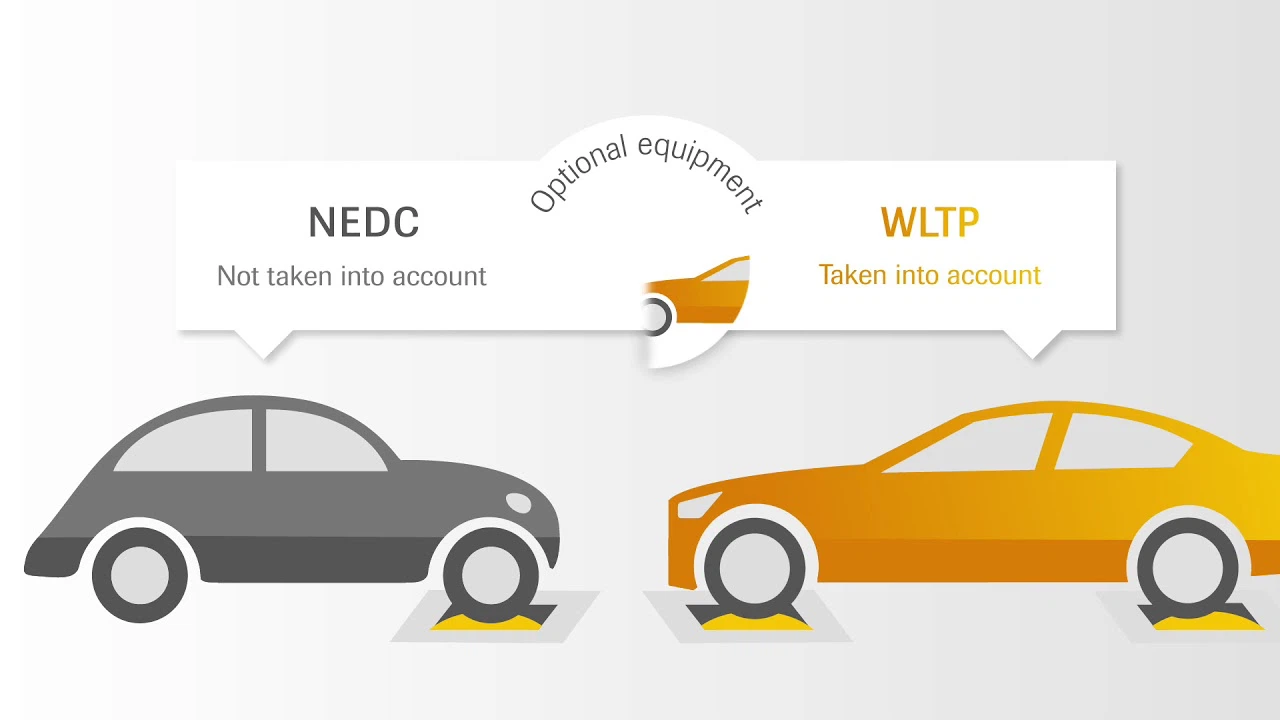
1:In terms of test content, NEDC places the vehicle on a test bench for simulated testing, which includes different urban and suburban cycles. In contrast, the WLTC test is more comprehensive, covering four parts: low speed, medium speed, high speed, and extra high speed. This design allows WLTC to more accurately reflect the vehicle's real fuel consumption under various road conditions.
2:From the perspective of meaning, the combined fuel consumption value of NEDC is mainly applicable to traditional fuel vehicles, derived from theoretical acceleration and deceleration calculations. On the other hand, the combined fuel consumption value of WLTC comes from the actual fuel consumption performance of the vehicle under the WLTC cycle according to the WLTP test procedure. This method makes WLTC closer to actual usage conditions, helping consumers accurately assess and compare the fuel efficiency of vehicles.
3:Considering the differences in developers, NEDC was established by European manufacturers, whereas WLTC was developed with the participation of multiple global testing organizations, with active involvement from Chinese experts. This aspect ensures the applicability and reliability of WLTC, making it a more widely recognized testing standard.