According to media reports, Japanese automaker Nissan is set to begin consultations this week to implement job cuts at its UK plant.
Nissan stated that the move aims to improve operational efficiency at its Sunderland plant in Northeast England, transforming it into a "leaner, more efficient, and more agile" production system. The company noted that office staff and workshop supervisors at the Sunderland plant will be affected by the layoffs, while production line workers will not be impacted.
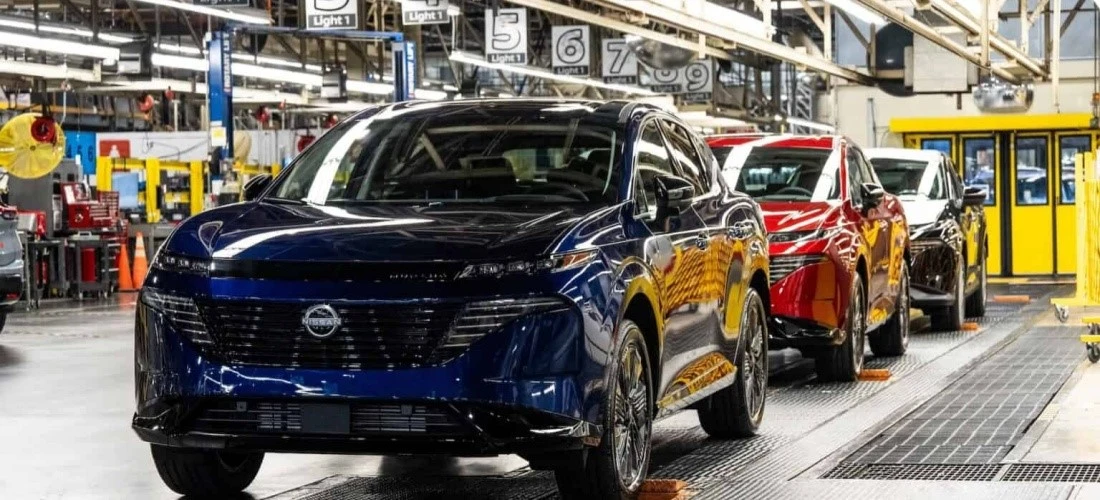
On June 30, Nissan released a statement saying: "Starting this week, we will begin consultations with some employees at our Sunderland plant to discuss a voluntary redundancy program and the support packages the company will offer."
Nissan has not disclosed a specific target number of layoffs. However, Kyodo News reported that the company plans to cut approximately 250 employees through the voluntary program, which represents about 4% of the Sunderland plant's 6,000 workers.
The job cuts come as Nissan faces declining profits due to weaker-than-expected demand for electric vehicles in the European market. The company is seeking to reduce costs by 400 billion yen (approximately £2 billion). Nissan had previously outlined a far-reaching transformation plan that includes laying off 20,000 employees globally-around 15% of its 133,500-person workforce.
As part of its goal to cease production of gasoline and diesel vehicles by 2030, Nissan has made substantial investments to become a leading electric vehicle manufacturer. In 2023, the company committed £2 billion to upgrade the Sunderland facility in preparation for EV production.
While announcing the job cuts, Nissan Chief Operating Officer Ivan Espinosa has also revealed plans to shut down seven factories worldwide. However, the Sunderland plant is not expected to be among those closures. First opened in 1986, the Sunderland facility primarily serves the UK and EU markets and has produced iconic models such as the Nissan Bluebird. It is currently the largest car manufacturing plant in the UK and Nissan's only factory in Europe. Nissan plans to produce the next-generation Leaf electric vehicle at the site.
Additionally, according to internal memos reviewed by Reuters and sources familiar with the matter, Nissan has asked some suppliers in the UK and EU to accept delayed payments. This move is intended to allow Nissan to retain more on-balance-sheet cash by the end of the first quarter of the current fiscal year (April to June), continuing a strategy previously employed at the close of the last fiscal year.
It is common for companies to request extended payment terms from suppliers to free up liquidity. In a statement to Reuters, Nissan said it has introduced incentive measures encouraging some suppliers to adopt more flexible payment terms without incurring extra costs, supporting the company's free cash flow. Nissan stated: "Suppliers have the option to receive immediate payment or defer payment and earn interest."