When a new car is first driven, its fuel consumption is usually higher due to several factors related to the engine break-in period and mechanical adjustments. Over time, fuel efficiency improves due to the following reasons:
Engine Break-in Period – When a car is brand new, engine components like pistons, rings, and cylinders have not yet fully seated or worn into optimal contact. As the engine runs, these parts gradually smooth out and reduce internal friction, leading to improved fuel efficiency.
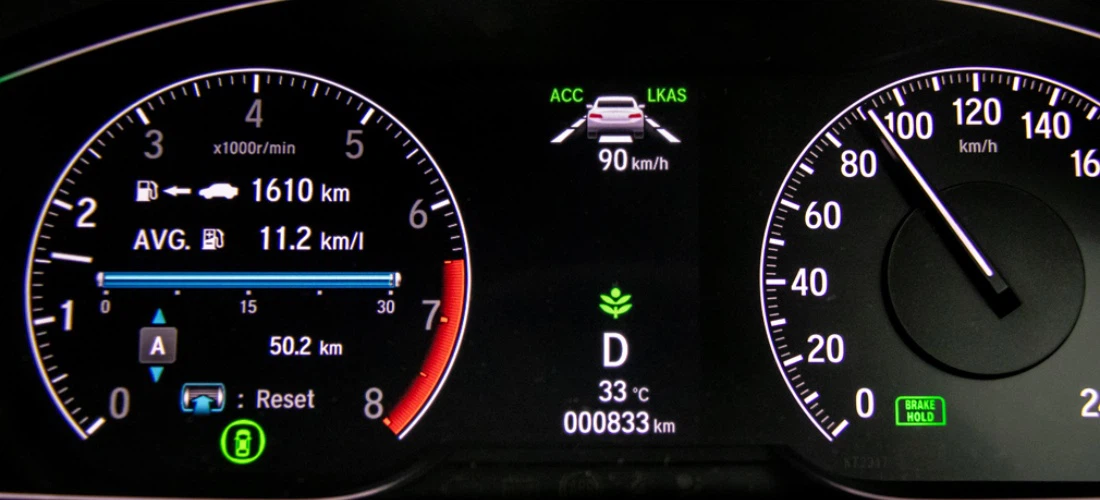
Transmission Adaptation – Modern automatic transmissions learn and adapt to a driver's style. Initially, the shift points may not be optimized, leading to higher fuel consumption. Over time, the system adjusts for smoother and more efficient gear shifts, reducing fuel usage.
Tire Break-in – New tires often have a higher rolling resistance due to manufacturing residues and surface roughness. As they wear down slightly, rolling resistance decreases, improving fuel economy.
Oil and Lubrication Optimization – As the engine runs, lubricants circulate more effectively, and the internal components experience less resistance, resulting in better efficiency.
ECU (Engine Control Unit) Adjustments – Many modern cars have an adaptive ECU, which continuously adjusts fuel-air mixture and ignition timing based on sensor data. Over time, the ECU optimizes performance, leading to better fuel economy.
Driver Adaptation – As the owner becomes more familiar with the car, driving habits often improve, leading to smoother acceleration, better throttle control, and more efficient driving.
Typically, the break-in period lasts 500 to 3,000 miles (800 to 5,000 km), after which fuel consumption stabilizes at a more efficient level.