A manual transmission car may shake when the clutch engages due to several reasons:
Improper Clutch Control – If the clutch is released too quickly or not smoothly, the engine struggles to match the wheel speed, causing vibrations.
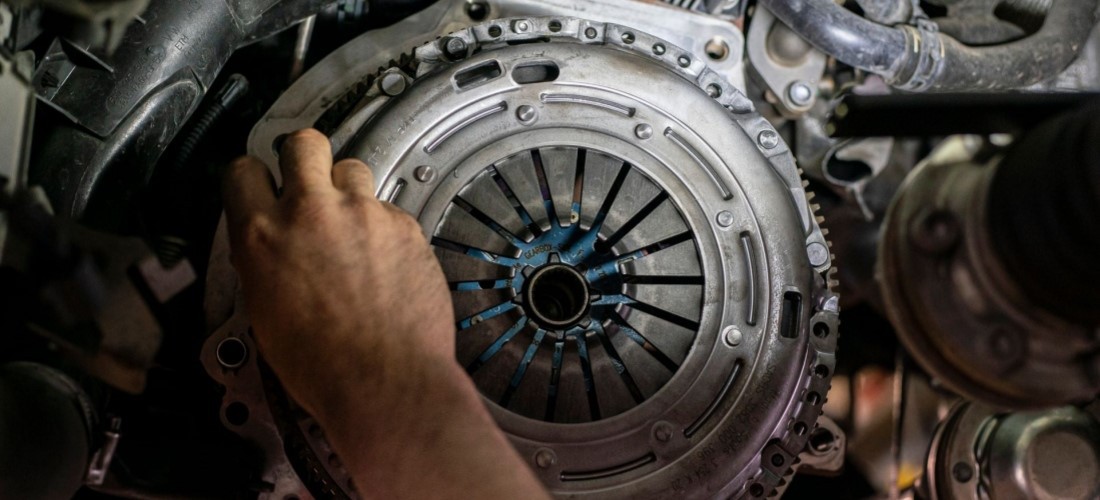
Worn or Faulty Clutch Components – A worn clutch disc, pressure plate, or flywheel can lead to uneven engagement, resulting in shaking.
Engine or Transmission Mount Issues – If the engine or transmission mounts are damaged, they can't properly absorb vibrations, making the shaking more noticeable.
Flywheel Issues – A warped or uneven flywheel can cause inconsistent clutch engagement, leading to vibrations.
Low Engine RPM – If the engine speed is too low when the clutch engages, it may struggle to provide enough power smoothly, causing the vehicle to shake.
Drivetrain Issues – Problems with axles, suspension, or differential components can also contribute to vibrations during clutch engagement.
If the issue persists, it's best to inspect the clutch system and engine mounts for any signs of wear or damage.