


Car fuel tanks can be designed for either atmospheric pressure (normal pressure) or high pressure, depending on the fuel type, efficiency goals, and emission regulations.
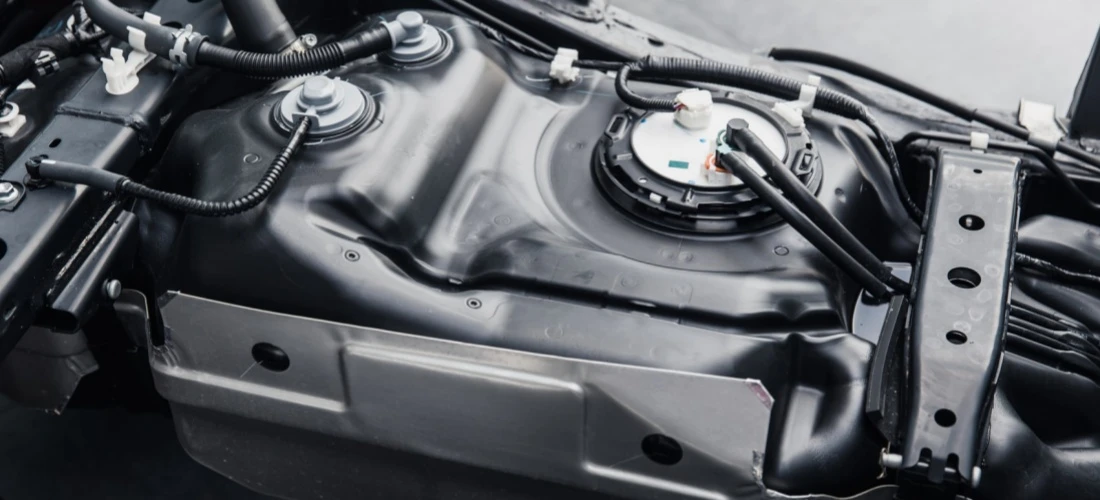
Traditional Gasoline Tanks (Atmospheric Pressure)
These tanks are designed to operate at or near atmospheric pressure.
They rely on ventilation systems (like EVAP canisters) to handle fuel vapors safely.
Simpler, cheaper, and suitable for standard combustion engines.
High-Pressure Fuel Tanks (For Specialized Fuels)
Used in direct injection systems, hydrogen fuel cells, or CNG (compressed natural gas) vehicles.
They store fuel at high pressure to increase density and improve efficiency.
Reduces evaporative emissions and enhances fuel delivery precision.
The Hidden Science Behind It
Think of an atmospheric fuel tank like an open soda bottle-liquid sits at normal pressure, and some gas escapes when opened. A high-pressure tank, on the other hand, is like a shaken soda can-fuel is stored under pressure, and when released, it expands rapidly, providing more controlled energy delivery.



