Wiring harness problems are among the most difficult to diagnose in a car because modern vehicles have highly complex electrical systems with thousands of wires, connectors, and circuits running throughout the body. A single damaged, corroded, or loose wire can cause various symptoms-like malfunctioning sensors, intermittent electrical faults, or complete system failures-that are hard to trace.
Here are a few reasons why diagnosing wiring harness issues is so challenging:
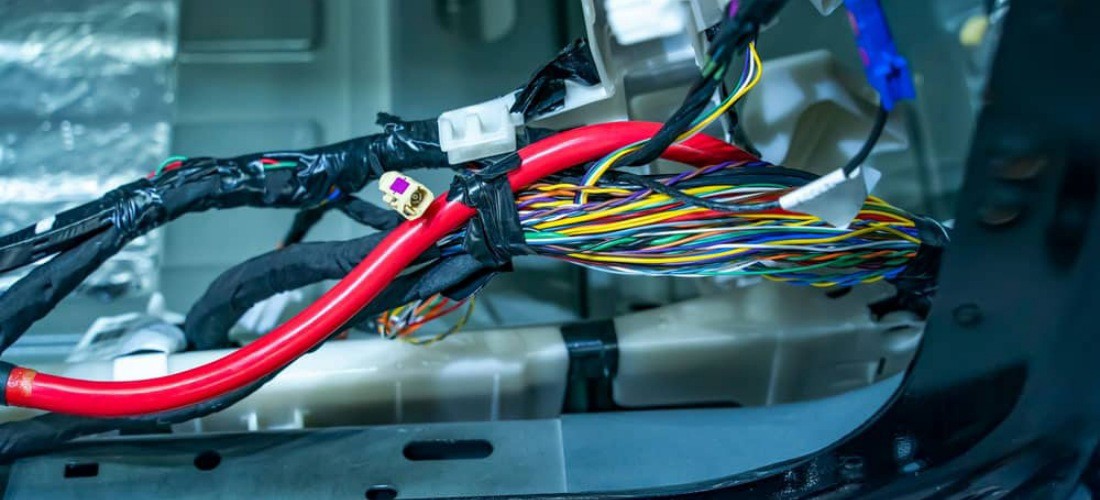
Hidden Location: Most of the wiring is concealed behind panels, under carpets, or inside the engine bay, making physical inspection time-consuming.
Intermittent Faults: Wires may work under certain conditions and fail under others (e.g., when the car vibrates or heats up), which makes the issue hard to reproduce.
No Error Codes: Sometimes the vehicle's diagnostic system won't generate error codes, or the codes may be misleading.
Need for Specialized Tools: Detecting faults often requires advanced diagnostic tools like multimeters, oscilloscopes, or even thermal cameras.
Labor-Intensive: Technicians may need to check each wire individually, which is very time-consuming and costly.
That's why wiring harness issues are considered one of the toughest problems in automotive diagnostics.