


Multi-Link Suspension
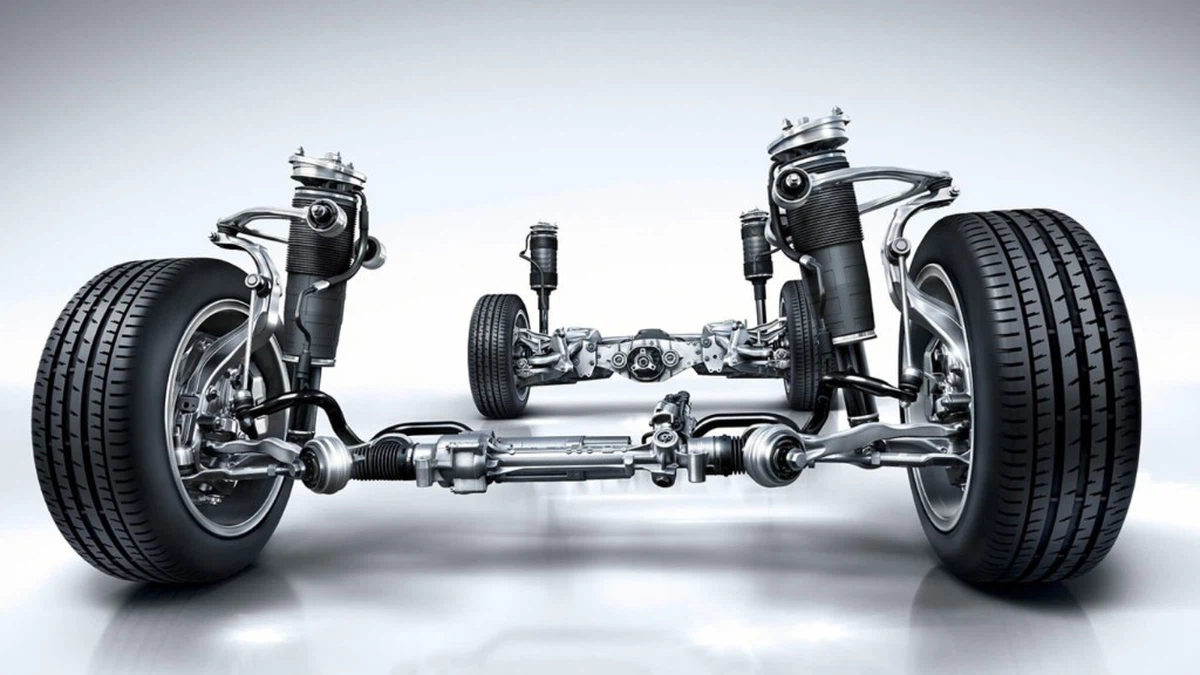
The multi-link suspension is a complex structure composed of three or more connecting rods, typically in four-link and five-link configurations. This type of suspension offers precise control, ensuring that the wheels maintain a reliable driving trajectory, thereby enhancing the vehicle's stability and handling. Additionally, the multi-link suspension can change the vertical movement of the tires through its constraint mechanism, improving ride comfort, especially on varied road surfaces.
Double Wishbone Independent Suspension
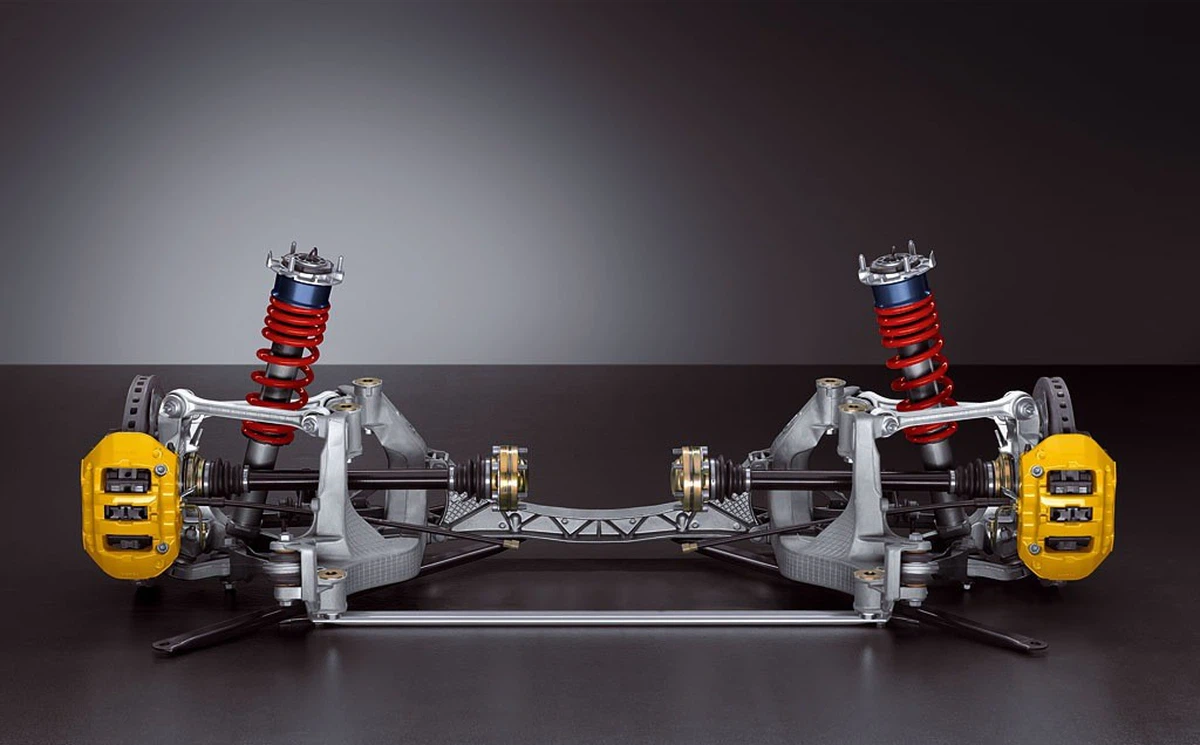
On the other hand, the double wishbone independent suspension uses two wishbones that swing within the vehicle's lateral plane and can be classified into equal-length and unequal-length types. This suspension can jointly absorb lateral forces, allowing the vehicle to maintain good dynamic performance on changing road conditions, making it particularly suitable for sports cars. However, the double wishbone suspension can lead to increased tire wear due to significant changes in the wheel track.
Comparative Analysis
In terms of dynamic performance, the multi-link suspension provides higher stability by precisely controlling the angle at which the wheels contact the ground. In contrast, the double wishbone suspension is better suited for sports cars, maintaining good power output under lateral forces.
Regarding comfort, the multi-link suspension offers better adaptability, providing a more comfortable ride experience. Conversely, the double wishbone suspension is slightly less adaptive to different road conditions. As for cost, the double wishbone suspension is expensive due to its complex structure and manufacturing process, and the multi-link suspension also presents a certain cost pressure.



