If a car owner notices black soot on the exhaust pipe when touching it with their hand, it's likely caused by incomplete combustion of the vehicle, rather than indicating a malfunction or oil burning issue. During combustion, impurities in the fuel can accumulate on the exhaust pipe, forming a layer of black soot.
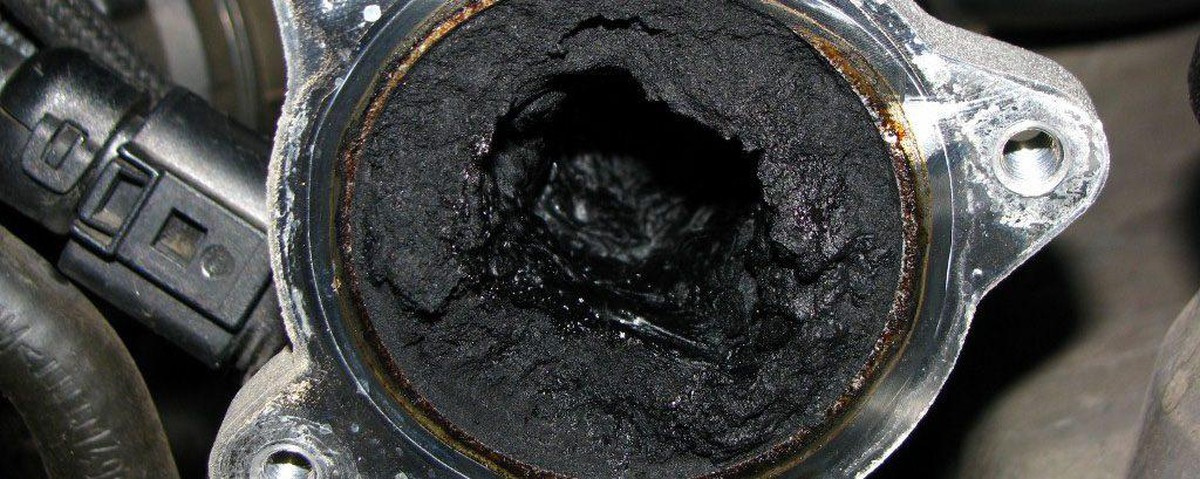
Dealing with this situation is relatively simple. Car owners can opt to switch to a different type of fuel, choose higher-quality fuel, or use fuel additives like fuel system cleaners to remove impurities and enhance combustion efficiency. Additionally, owners should regularly inspect the length and thickness of the black soot inside the exhaust pipe. If the soot is thick, timely cleaning of the catalytic converter and exhaust pipes is recommended.
During vehicle operation, if the exhaust pipe makes popping sounds, it may indicate issues with individual exhaust valves, such as dry burning or poor sealing. If certain intake valves have significant air leakage due to poor sealing, carbon deposits may accumulate, affecting the exhaust system and causing popping noises.
If the above issues have been ruled out, it's worth considering whether the engine is misfiring during operation. Engine misfires during operation are often caused by ignition system damage, resulting in popping noises from the exhaust pipe.