If a Porsche owner finds that the tire pressure is -0.3, the first step is to check if it's a temperature-related issue. Temperature can affect tire pressure. If the weather is cold, it could cause the tire pressure to drop to -0.3. As the temperature rises, the tire pressure should return to normal. If temperature is not the issue, then the tires should be checked for leaks, punctures, or cracks. If there is a problem with the tires, they should be repaired or replaced promptly. If the tires are in good condition, the owner can simply inflate the tires to the correct pressure and continue driving normally.
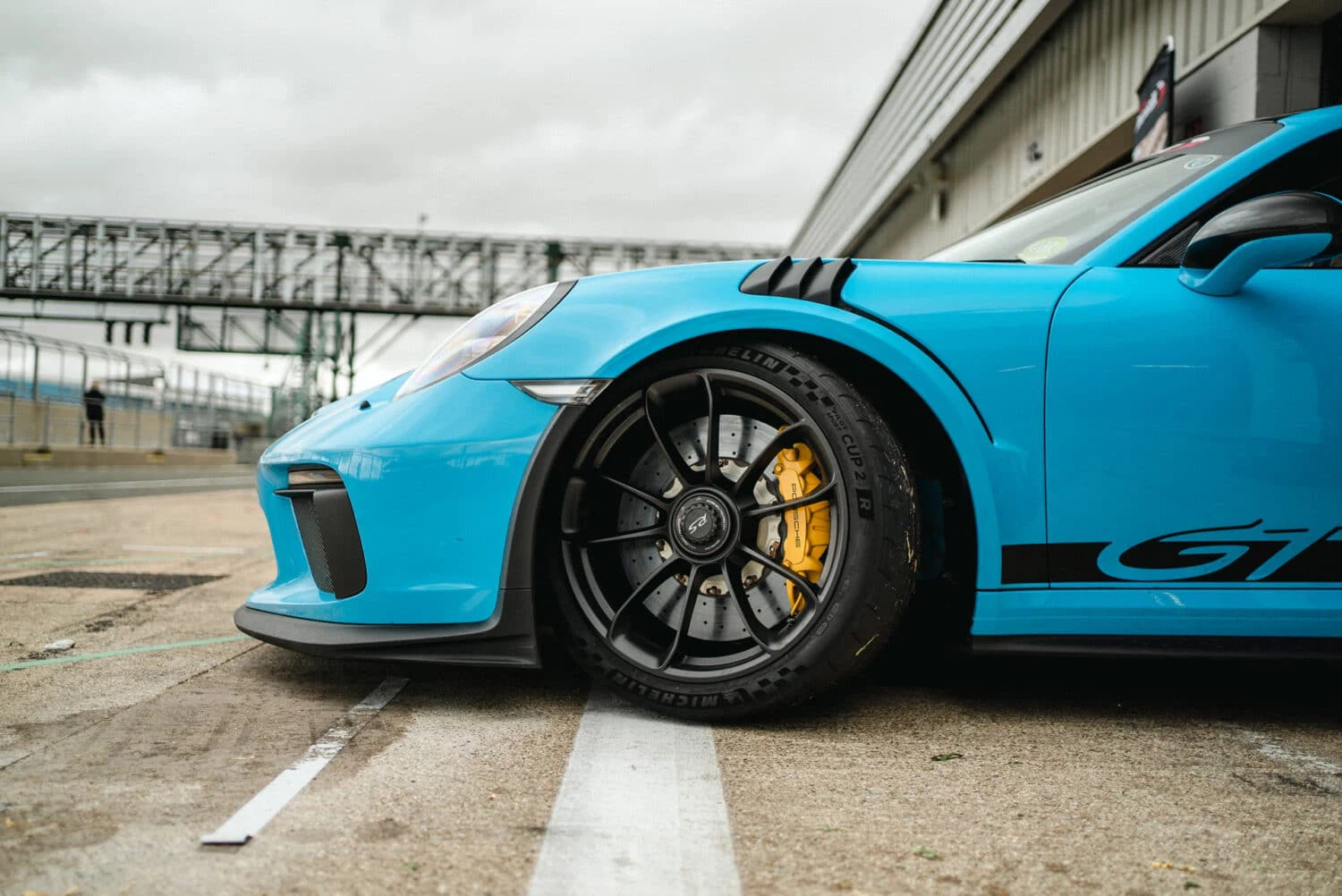
Porsche Tire Pressure Reset Method:
1:Turn the ignition on by pressing the start button located to the left of the steering wheel.
2:Press the custom button on the right side of the steering wheel.
3:Press the + button on the left side of the steering wheel.
4:Toggle the lever below the steering wheel to select the reset function, then confirm the reset.
5:If the tire pressure information on the dashboard is no longer -0.3 and has reset, the process is complete.

At What Negative Pressure Should a Porsche Not Be Driven
Generally, a Porsche should not be driven if the tire pressure is below 1.7. Due to thermal expansion, tire pressure can increase by about 0.1 to 0.2 after the vehicle warms up. If the tire pressure is still below 1.7 after warming up, the driver should immediately stop the car, turn off the engine, and use an air pump to inflate the tires to the proper pressure before continuing to drive. If an air pump is not available, the driver should call for roadside assistance or contact a nearby service center for help.
Tire pressure is crucial for vehicle operation. If the tire pressure is too low, the contact area between the tire and the road increases, leading to higher friction, which can affect normal driving and potentially cause a blowout. Conversely, if the tire pressure is too high, the contact area decreases, reducing tire life.