


When driving on the road, tire pressure is a crucial factor to consider. Many people have recently been inquiring about the normal tire pressure range for passenger cars. In reality, different models, sizes, and weights of cars have varying requirements for tire pressure. Generally, the standard tire pressure range for passenger cars is between 220 kPa and 260 kPa.
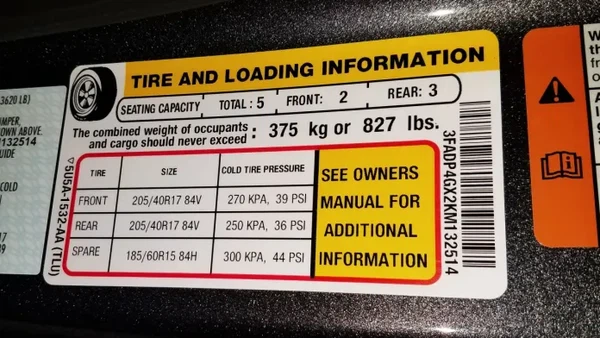
Furthermore, if the vehicle is heavily loaded, it may be necessary to increase tire pressure to maintain safety and ensure optimal performance. For instance, for a compact car fully loaded with passengers and a full trunk, the normal tire pressure would be between 220 kPa and 240 kPa, while for a midsize car, it would be between 230 kPa and 250 kPa. However, these are just reference values, and the actual usage conditions of the vehicle should be considered.

In addition to determining tire pressure based on the type of car and load, it's important to note that the pressure in the front and rear tires may vary slightly, but the pressure on the left and right sides should be maintained the same. Uneven tire pressure on the left and right sides can lead to issues such as compromised braking performance, loss of control, and abnormal steering, posing potential safety risks.

In summary, maintaining the correct tire pressure is crucial as it affects vehicle performance, driving safety, and tire lifespan. If you are unsure about the appropriate tire pressure, you can refer to the car's user manual or find the manufacturer's recommended tire cold inflation pressure values, usually located near the vehicle's door.



