The power from the car engine is transmitted to the engine's accessories through belts, making them crucial components. If a car belt produces a squeaking sound, it is usually due to excessive friction and vibration between the belt and pulleys. This intense friction and vibration can result from three main factors: loose belts, aging of the belts over time, and failure of the tensioner pulley.
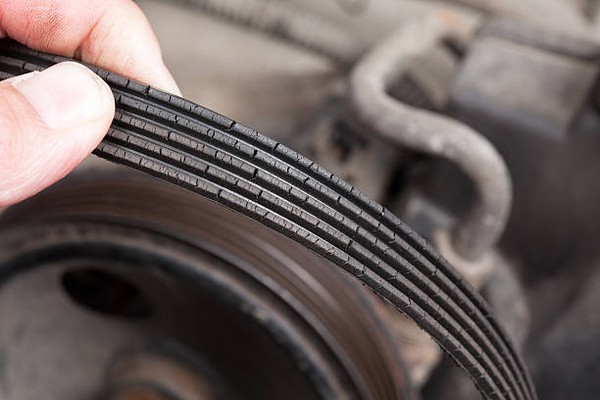
How to Resolve Belt Squeaking:
Car owners should promptly adjust the tension of the belt tensioner. If the belt is too loose, it needs tightening. If the tensioner lacks elasticity, the belt may become too loose. After adjusting the tension of the belt tensioner, if the squeaking sound persists, it may be necessary to replace the tensioner with a new one. The typical replacement interval for car belts is around 60,000 to 80,000 kilometers. Extended use can lead to aging.
Consequences of a Broken Car Belt:
1:The engine's valves may not operate properly, and the ignition system may function abnormally.
2:Spark plugs are prone to collisions, eventually leading to ineffective use.
3:In severe cases, the engine may become entirely inoperative, rendering the vehicle unable to start or move. Extensive engine repairs would be necessary.
If a belt suddenly breaks while driving, it is crucial for the car owner to remain calm. Safely pull over to the side of the road, and promptly call for assistance or roadside rescue. Continuing to drive with a broken belt can significantly compromise the vehicle's safety performance.