When a driver shifts their vehicle into reverse gear, a confusing and intense jerking sensation can sometimes occur. The main causes of this jerking are as follows:
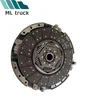
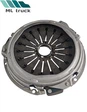
Cold Engine and Incomplete Clutch Disengagement: When the engine is still cold, especially right after starting, the clutch may not fully disengage, causing a jerking sensation. This happens because the engine requires some time to warm up and reach an optimal temperature for smooth operation.
Excessive Carbon Buildup in the Engine: Excess carbon deposits within the engine can also cause jerking. Carbon buildup can clog fuel injectors or ignition components, affecting combustion and leading to strong jerking when shifting into reverse.
Manual Transmission Gear Misalignment: In manual transmission vehicles, incomplete gear engagement can lead to similar jerking sensations. This may also be accompanied by loud noises, which can be inconvenient for the driver.

Solutions to Address These Issues:
Allow the Engine to Idle Before Reversing: The driver can let the engine idle for a few minutes before shifting into reverse. This allows the engine to warm up fully, ensuring complete clutch disengagement and reducing the chance of jerking.
Remove Carbon Deposits: If carbon buildup is the cause, the driver can take the vehicle to a service center for carbon cleaning. Removing these deposits helps restore normal fuel injector and ignition performance, which can reduce jerking.
Ensure Full Clutch Engagement for Manual Transmissions: For manual vehicles experiencing jerking, the driver should fully depress the clutch pedal before shifting into reverse. Ensuring proper gear engagement can effectively eliminate jerking and improve driving smoothness.