A bulletproof car differs from a regular car in several key aspects, primarily in terms of protection, materials, and construction. Here are the main differences:
Armored Materials:
Bulletproof cars are reinforced with specialized materials such as ballistic steel, Kevlar, and bullet-resistant glass (often several inches thick). These materials are designed to stop bullets, shrapnel, and even small explosions.
Windows and Glass:
While regular cars use tempered or laminated glass, bulletproof vehicles use multi-layered polycarbonate and glass composites that can withstand high-caliber gunfire.
Tires:
Bulletproof cars often feature run-flat tires, which allow the vehicle to keep moving even if the tires are punctured or shot.
Chassis and Body Reinforcement:
The entire frame of a bulletproof car is reinforced, including the doors, roof, floor, and even the battery or fuel tank, to protect occupants from external attacks.
Weight:
Due to all the additional armor and reinforcements, bulletproof cars are significantly heavier than standard vehicles, often requiring upgraded suspensions, brakes, and sometimes stronger engines.
Discreet Appearance:
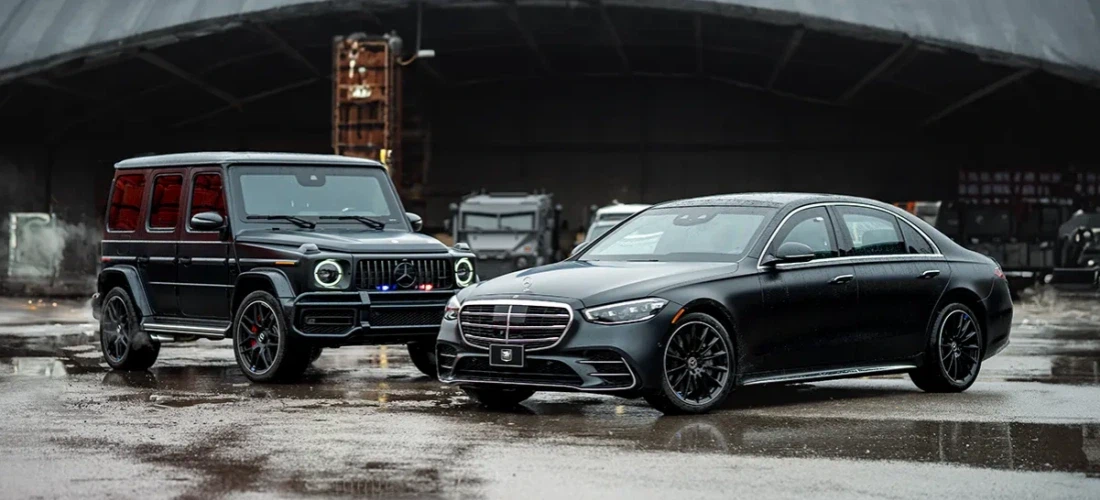
Many bulletproof cars are designed to look like regular vehicles to avoid attracting attention, especially in security or VIP transport contexts.
In summary, a bulletproof car is specially engineered for security and protection, with substantial modifications that distinguish it from a standard vehicle in terms of safety, materials, and weight.