1:What is it?

A spark plug is a component that receives high-voltage pulses from the ignition wire, discharges the high-voltage electricity between its two electrodes, and creates an electric spark to ignite the air-fuel mixture inside the cylinder.
2:Common Types
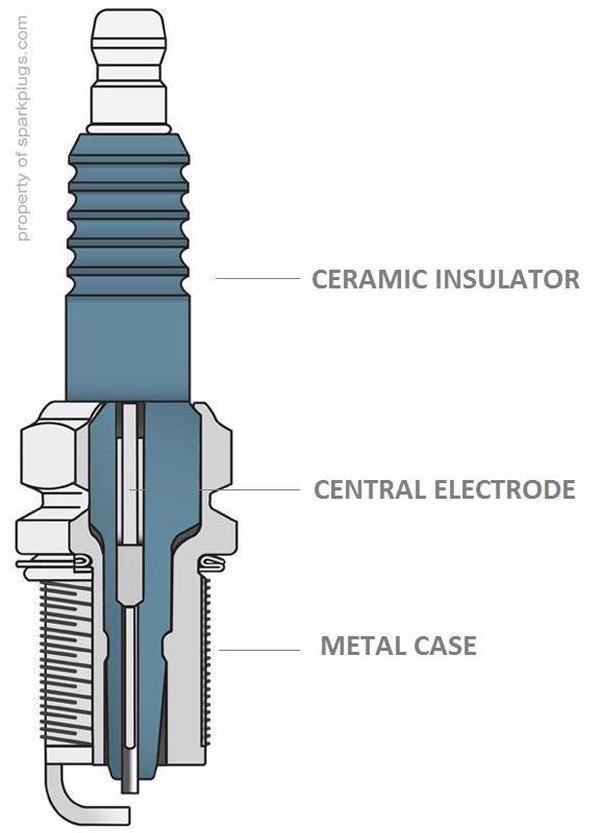
Spark plugs can be classified into different types based on factors such as thermal value and electrode material. Here are several common types of spark plugs:
(1)Standard Spark Plug: The insulator skirt is slightly recessed into the shell end, and the side electrode is located outside the shell end. This is the most widely used type.
(2)Extended Insulator Spark Plug: The insulator skirt is longer and extends beyond the shell end. It has the advantages of high heat absorption and good fouling resistance. It can also be cooled directly by intake air, reducing the risk of hot ignition. Therefore, it has a wide heat range.
(3)Fine Wire Spark Plug: It has a thin electrode, characterized by a strong spark and good ignition capability. It ensures quick and reliable engine starts, even in cold weather. It has a wide heat range and can be used for various applications.
(4)Seat-Type Spark Plug: The shell and screw thread are made in a tapered shape, eliminating the need for a gasket to maintain a good seal. This reduces the size of the spark plug and is beneficial for engine design.
(5)Multiple Electrode Spark Plug: It typically has two or more side electrodes. It offers reliable ignition and requires less frequent gap adjustment. Therefore, it is commonly used in gasoline engines where electrode erosion and frequent gap adjustment are not desirable.
(6)Surface Discharge Spark Plug: It is also known as a cold spark plug. The gap between the central electrode and the shell end is concentric.
Additionally, to suppress radio interference caused by the ignition system, there are resistor-type and shielded spark plugs. Resistor-type spark plugs contain a ceramic resistor of 5-10Ω inside the spark plug, while shielded spark plugs use a metal shell to shield and seal the entire spark plug. Shielded spark plugs not only prevent radio interference but can also be used in waterproof and explosion-proof environments.
3Inspection and Maintenance
To assess the condition of spark plugs, the following methods can be used:
(1)Touch Method: Start the engine and let it idle. Touch the insulator ceramic part of the spark plug with your hand. If the temperature rises quickly and significantly, it indicates that the spark plug is working properly; otherwise, it is not.
(2)Short-Circuit Method: Start the engine and let it idle. Use a screwdriver to short-circuit each spark plug one by one. Observe changes in engine speed and sound. If there are significant changes, it indicates that the spark plug is working properly; otherwise, it is not.
(3)Spark Jump Method: Remove the spark plug and place it on the cylinder body. Test for sparks using the high-voltage wire. If there is no spark or the spark is weak, it indicates that the spark plug is leaking or not functioning.
(4)Visual Inspection: Remove the spark plug and inspect its appearance. If it is reddish-brown or rust-colored, it indicates that the spark plug is in good condition. If it appears oily, it suggests improper gap adjustment or excessive fuel supply, short-circuiting of the high-voltage wire, or oil creeping up. If it appears black due to soot, it indicates incorrect heat range selection or rich fuel mixture causing oil vaporization. Deposits between the tip and electrode can indicate oil-related issues or the use of gasoline additives, while severe erosion, scars, black patterns, or electrode melting indicate damage to the spark plug.
Key points for maintenance: During regular maintenance, pay attention to the working condition of the spark plugs. If any of the following conditions occur, they should be repaired or replaced:
If carbon deposits are present, try scraping them off with a thin metal wire. If they come off easily, it indicates that the deposits are caused by the combustion of the air-fuel mixture, and the spark plug's performance can be restored after cleaning. Investigate the reasons for the excessive carbon deposits, such as overly rich mixture or oil leakage into the cylinder. If there are no abnormal conditions causing carbon deposits, but the spark plug is still blackened, it suggests improper heat range selection. In such cases, the spark plug should be replaced with the appropriate heat range.
If the spark plug appears black and damp, it indicates the presence of moisture. This can occur due to excessive intake of rich mixture caused by a malfunctioning throttle valve or a clogged air filter. It can also be caused by using spark plugs with a heat range too high. If excessive moisture is the cause, the spark plug will dry out and its performance will be restored.
If the insulator is burned white or partially burned along with the electrode, it indicates overheating of the electrode. This can be caused by abnormal cooling system operation or lean mixture. If there are no abnormal conditions causing overheating, but it still occurs, it suggests improper heat range selection, and the spark plug should be replaced with a higher heat range.
Use a feeler gauge to check the gap between the center electrode and the ground electrode of the spark plug. If it deviates from the specified value, it should be adjusted.
Spark plug leakage is mostly due to poor sealing between the insulator and the shell. When leakage occurs, black streaks usually appear on the outer surface of the insulator in the direction of the leak. Spark plug leakage not only affects the cylinder's sealing but also leads to overheating and the formation of carbon deposits along the leakage path, reducing the insulating performance. In such cases, the spark plug should be replaced promptly.