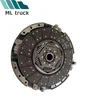
The clutch of a car is something drivers frequently use during normal driving. In the winter, however, numerous problems can arise with the clutch. One such issue is the clutch becoming heavy, and there are various reasons for this, as detailed below:

Faulty clutch slave cylinder.
With prolonged wear and tear on the clutch plate and pressure plate during winter, the accumulation of dust inside increases, making the pressure claws stiffen. Once this happens, the clutch pedal feels much heavier.
Air leakage in the bleed valve.
There's a filter inside the bleed valve. If it isn't serviced and cleaned over time, it can become blocked. With insufficient airflow, the clutch's booster pump fails to provide the necessary assistance, making the clutch feel heavy.
Insufficient pressure in the clutch slave cylinder.
Generally, the clutch operates at pressures above six atmospheres. In winter, if the dashboard displays normal readings but the pressure in the clutch slave cylinder is low, then the clutch will feel heavy.
Dirt and rust in the clutch linkage mechanisms.
With prolonged use in winter, the clutch inevitably accumulates dirt, and rust might also form. This is another reason for the clutch becoming heavy in winter.
Solutions for the clutch's slow rebound, weak starts, and heaviness in winter
Dismantle the clutch master cylinder, slave cylinder, and pipes. Clean the accumulated dirt using alcohol and then blow it clean using compressed air. When necessary, replace parts like the seal ring or cable depending on the type of clutch.
For issues like dirt accumulation or rust in the linkage mechanisms, the clutch mechanism needs to be taken apart for cleaning, maintenance, oiling, etc. When reinstalling, it's essential to adjust the spacing according to standards.