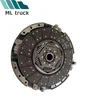
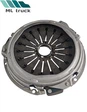
The dry dual-clutch transmission operates through multiple clutch plates (clutch 1 and clutch 2), transmitting engine power to the gearbox. By utilizing different gear ratios and gears in the gearbox to reduce speed and increase torque, the power is then transferred through the differential to the left and right half-axles, enabling the rotation of the wheels. So, what does "dry dual-clutch" mean?
Dry dual-clutch, also known as dry dual-clutch transmission, refers to a transmission system with two clutches, and the clutch plates in a dry dual-clutch system are not immersed in gearbox oil.

What are the advantages of dry dual-clutch transmission?
1:Rapid Acceleration: The absence of clutch resistance allows for very quick acceleration, as the friction plates can engage rapidly with the pressure plate.
2:Fast Gear Changes: The vehicle's controller can swiftly recognize the driver's requirements and prepare for gear changes efficiently.
3:High Efficiency: Power is transmitted through gear ratios and gears, and the electro-mechanical unit does not need to continuously provide oil pressure. This results in fuel efficiency and overall high transmission efficiency.
While dry dual-clutch transmission offers these advantages, it also comes with its challenges. During stop-and-go traffic, the system may overheat, and there is a risk of stalling.