The question "Is it okay if there are cracks in the central groove of the tire?" touches on an important aspect of tire safety and maintenance. When cracks appear on a tire, it's natural to wonder whether they compromise driving safety. According to experts, if the cracks are shallow, limited in number, and less than 6 millimeters in length, they can be addressed at a repair shop without the immediate need for a tire replacement. In such cases, drivers can continue using the tire with caution, but it's essential to regularly monitor the condition of the cracks.
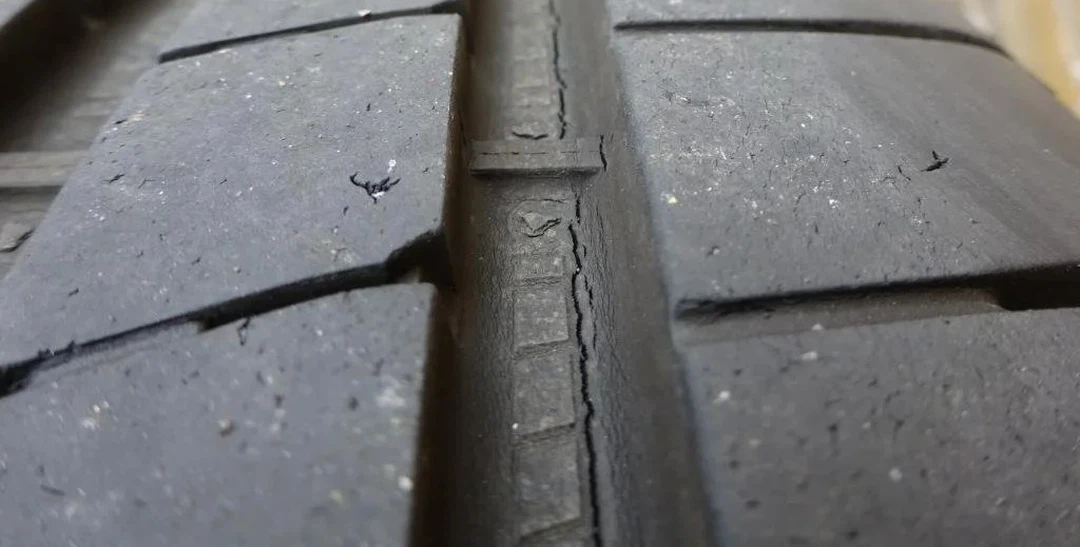
However, if the cracks are deeper than 6 millimeters or appear in larger numbers, the tire is significantly damaged and should be replaced immediately to ensure driving safety. Cracks can lead to tire blowouts or reduced traction during driving, increasing the risk of accidents.
In addition to the depth of the cracks, the tire's age is another critical factor in determining whether it needs replacement. Generally, after three years of use, tires may develop fine cracks as a result of natural aging. This is considered normal. However, after five years, tire performance tends to decline noticeably, posing safety risks, and replacement becomes necessary.
In conclusion, while shallow cracks in the central groove of a tire can often be repaired, deeper or more extensive cracks warrant caution. It's essential to evaluate the severity of the cracks, their quantity, and the tire's age to ensure vehicle safety and maintain tire performance. Regular tire maintenance and inspections can help extend tire lifespan and improve driving safety.