


1:What is it used for?
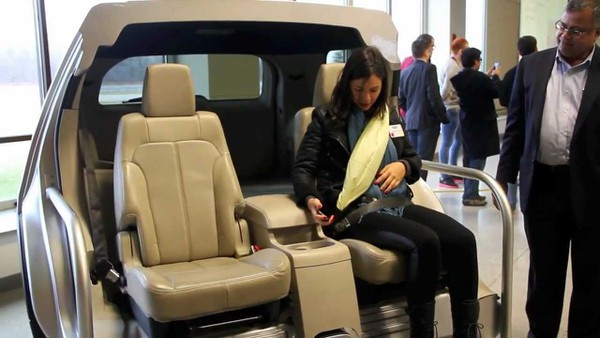
The inflatable seat belt incorporates an airbag-like inflator and sensing mechanism within the seat belt. During a collision, when the seat belt tightens, the airbag inflates simultaneously, creating a cushioning effect and reducing the severity of injuries to the occupant caused by the tight restraint of the seat belt.

2:Did you know?
Inflatable seat belts are primarily used for rear-seat passengers in vehicles.
The built-in airbag is located near the passenger's shoulder where the seat belt buckle is, and when inflated, it provides a certain level of fixation for the neck and head of rear-seat passengers, reducing pressure on the neck.
The inflated seat belt has an expanded contact area about five times larger than before, increasing the force distribution area. This greatly reduces the pressure exerted on the body during the restraint of the seat belt when experiencing forward motion.
The inflatable seat belt is designed with padding and rounded edges to improve comfort during wear.
3:Principle:
When sensors detect a collision, a compressed cold gas is released through specially designed buckles located underneath the seat, inflating the tubular airbag within each seat belt. This process is completed within 0.04 seconds after the collision.
4:Further reading:
Ford was an early developer and installer of inflatable seat belts in their vehicles, and the 2011 Ford Explorer was the first model to feature this configuration.



