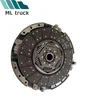
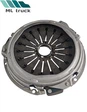
1:Observe the vehicle's performance during starting. When you shift to gear, press the brake or engage the handbrake, then release the clutch to prepare for starting. If the vehicle doesn't stall suddenly, it may indicate a problem with poor clutch plate contact and may need replacement. Typically, releasing the clutch too quickly can cause the engine to stall, so smooth starting is important.

2:Pay attention to changes in the clutch pedal height. If you notice the pedal height gradually increasing, it could be a sign of severe clutch plate wear. Timely replacement of the clutch plates can prevent further mechanical damage and ensure smooth vehicle operation.
3:Acceleration performance while climbing hills is also an important indicator. If the vehicle experiences lack of acceleration while climbing hills, it's likely that the clutch plates are severely worn. In this case, prompt replacement of the clutch plates is necessary to ensure the vehicle's reliability and safety on complex road conditions.
These methods can help you determine if the clutch plates need replacement, maintaining good vehicle performance and enhancing driving safety. Regularly inspecting the clutch condition and taking necessary maintenance measures based on actual conditions will help prolong the vehicle's lifespan and ensure driving safety.