Internal-combustion engines run at high speeds, so a reduction in gearing is necessary to transmit power to the drive wheels, which turn much more slowly.
The gearbox provides a selection of gears for different driving conditions: standing start, climbing a hill, or cruising on level surfaces. The lower the gear, the slower the road wheels turn in relation to the engine speed.
The constant-mesh gearbox
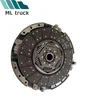
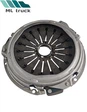
The gearbox is the second stage in the transmission system, after the clutch . It is usually bolted to the rear of the engine , with the clutch between them.
Modern cars with manual transmissions have four or five forward speeds and one reverse, as well as a neutral position.
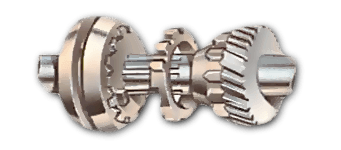
The gear turns freely on a bush, rotated by a meshing gear on the layshaft. The synchromesh unit, splined the the mainshaft, rests near by.
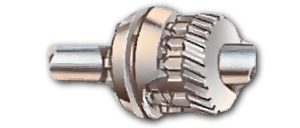
The fork moves the synchromesh towards the selected gear. Friction surfaces synchronise the shaft speeds, and synchromesh and gear lock together.
The gear lever , operated by the driver, is connected to a series of selector rods in the top or side of the gearbox. The selector rods lie parallel with shafts carrying the gears.
The most popular design is the constant-mesh gearbox. It has three shafts: the input shaft , the layshaft and the mainshaft, which run in bearings in the gearbox casing.
There is also a shaft on which the reverse-gear idler pinion rotates.
The engine drives the input shaft, which drives the layshaft. The layshaft rotates the gears on the mainshaft, but these rotate freely until they are locked by means of the synchromesh device, which is splined to the shaft.
It is the synchromesh device which is actually operated by the driver, through a selector rod with a fork on it which moves the synchromesh to engage the gear.
The baulk ring, a delaying device in the synchromesh, is the final refinement in the modern gearbox. It prevents engagement of a gear until the shaft speeds are synchronised.
On some cars an additional gear, called overdrive , is fitted. It is higher than top gear and so gives economic driving at cruising speeds.
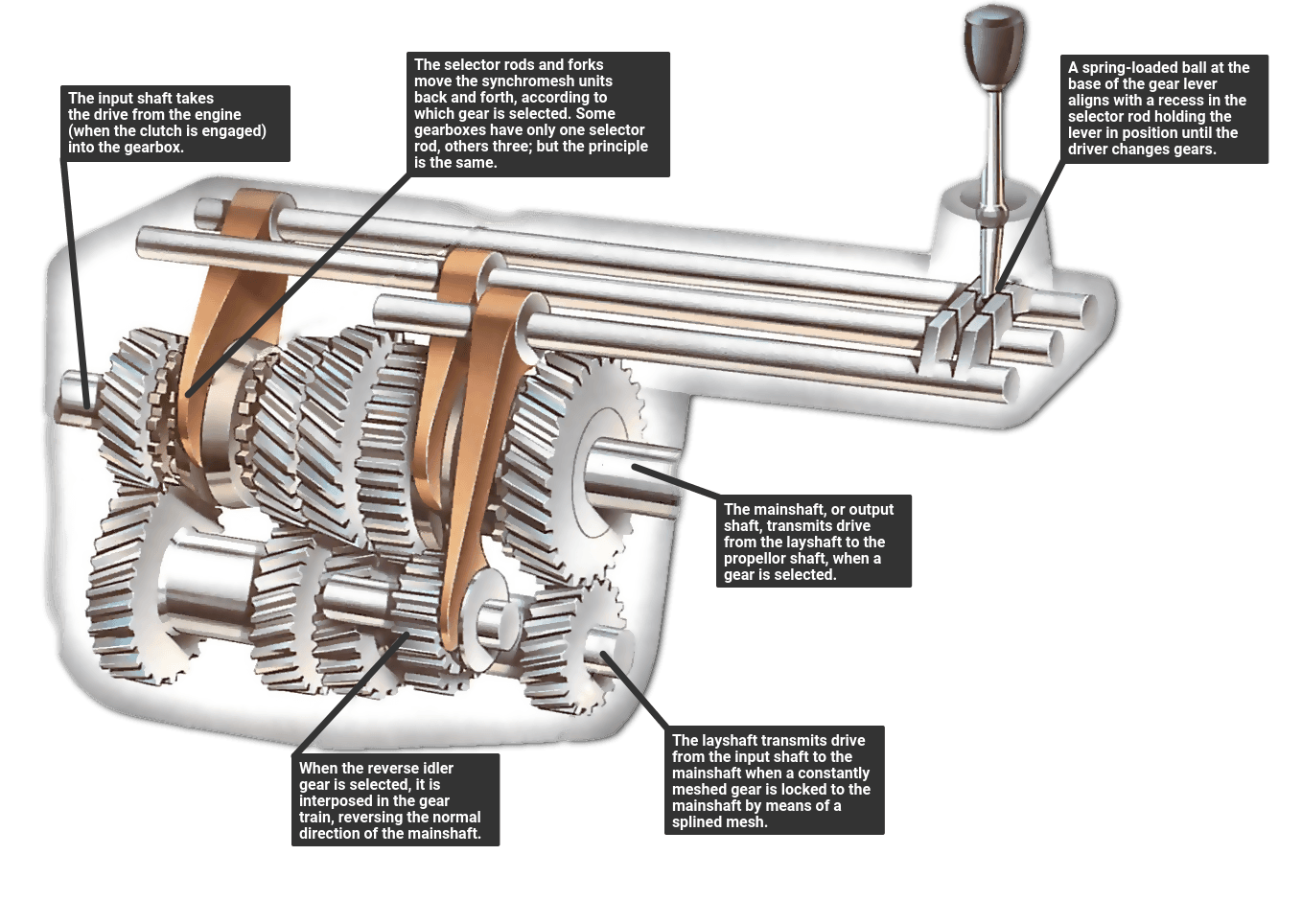
The gears are selected by a system of rods and levers operated by the gear lever. Drive is transmitted through the input shaft to the layshaft and then to the mainshaft, except in direct drive - top gear - when the input shaft and the mainshaft are locked together.