The correct engine shutdown sequence for automatic transmission vehicles is crucial as it ensures not only driving safety but also contributes to protecting the engine and prolonging the lifespan of the vehicle. Here is a detailed shutdown procedure:
For safety reasons, when preparing to park, it is essential to gradually decelerate and bring the vehicle to a smooth stop. By lightly applying the brake, the vehicle will gradually slow down until it comes to a complete stop.
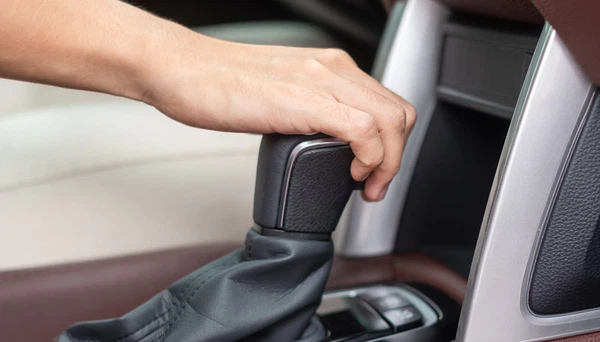
Once the vehicle is parked, shifting the gear into neutral (N) is crucial. Doing so ensures that the vehicle is in neutral, reducing power transmission and engine load, while also preventing accidental starts.
Now it's time to engage the parking brake. Firmly pulling up the handbrake ensures the stability of the vehicle, preventing unintended sliding or movement, especially when parking on inclines.
After confirming that the vehicle is securely parked, release the brake pedal. At this point, carefully observe whether the vehicle remains stable, ensuring that it does not show any signs of movement.
Next, with your foot on the brake pedal, shift the gear into park (P). Simultaneously, again, ensure that the handbrake is engaged. This step guarantees that the vehicle is in a stable and safe state, preventing potential sliding or movement.
Now, you can proceed to turn off the engine. Turn the key counterclockwise to the lowest position until it reaches the LOCK position. When the engine ceases operation, it indicates that the vehicle has successfully shut down.
The final step is crucial. Before leaving the vehicle, ensure that the doors and lights are properly closed. This not only conserves power but also ensures the safety of the vehicle.