


1:Clogged Air Filter:
The most common issue is obstruction in the air filter. Excessive dust and particles in the air can lead to a buildup of dirt and debris on the air filter, increasing air resistance and causing insufficient air supply. This, in turn, affects combustion efficiency.
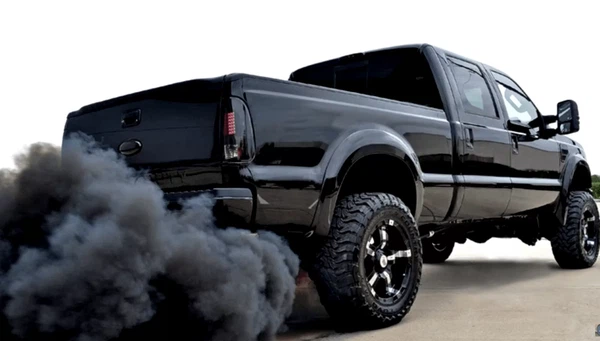
2:Poor Diesel Quality and Carbon Buildup:
Low-quality diesel can result in the formation of carbon deposits after combustion, obstructing the oil passage and causing inadequate fuel supply. This may lead to overly rich fuel-air mixture and the generation of black smoke.
3:Insufficient Compression Pressure:
Wear and tear on components such as valves, piston rings, and cylinder liners can reduce compression pressure. Insufficient compression pressure results in inadequate pressure and temperature at the end of compression, leading to poor combustion conditions and the likelihood of black smoke.

4:Malfunctioning Fuel Injectors:
Poor performance of fuel injectors manifests in three main aspects: poor spray quality, inadequate fuel pressure, and injector leakage. Any of these issues can prevent the fuel from thoroughly mixing with the air in the cylinder, resulting in incomplete combustion.
5:Faulty Fuel Injection Pump:
Severe wear on the plunger or delivery valve of the fuel injection pump can cause a drop in oil pressure, leading to delayed pressurization of the injector and delayed fuel injection. This, in turn, increases post-combustion and contributes to the generation of black smoke from the diesel engine.



