According to relevant information, the concentration of carbon monoxide (CO) inside a parked vehicle can rapidly increase, posing potential dangers. When a vehicle idles for an extended period with the air conditioning on, incomplete combustion from the engine can produce significant amounts of carbon monoxide.
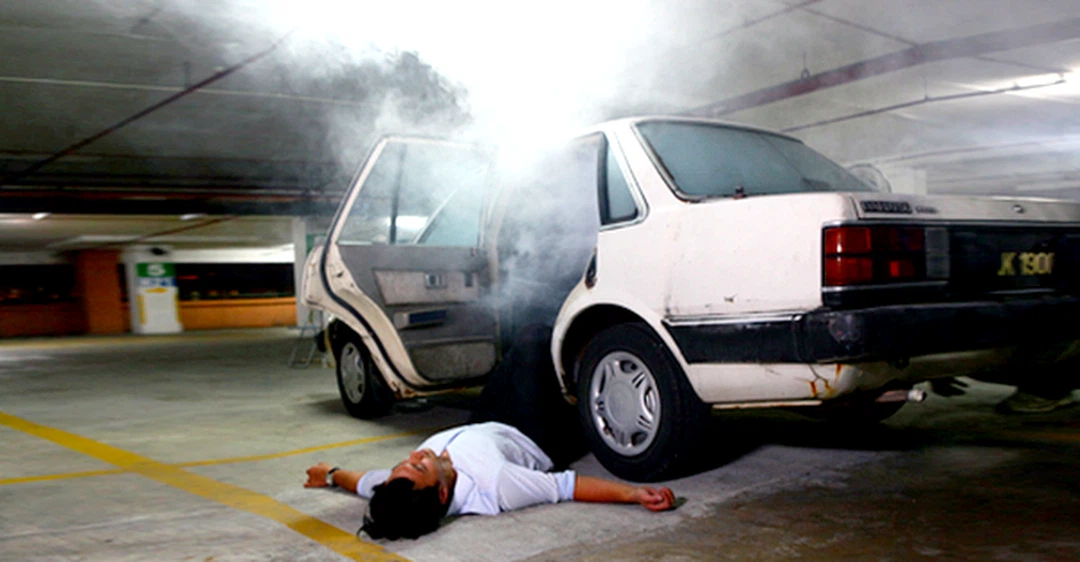
This carbon monoxide can enter the cabin through the air conditioning system, with concentrations potentially 20 to 30 times higher than during normal driving conditions. The enclosed space of the vehicle prevents effective dispersion of carbon monoxide, increasing the risk of passengers suffering from CO poisoning.
If the concentration of carbon monoxide inside the vehicle exceeds safe levels, passengers may quickly experience symptoms of suffocation and carbon monoxide poisoning. This risk is particularly heightened when the windows are closed and the vehicle is parked in a confined space, leading to increased accumulation of CO and a significant threat to safety.
Therefore, when taking a break in a parked vehicle, it is essential to ensure ventilation by opening windows to facilitate airflow and avoid prolonged retention of carbon monoxide inside the car. Additionally, understanding that running the air conditioning while stationary increases the risk of CO poisoning can help remind drivers and passengers to be aware of potential safety hazards.