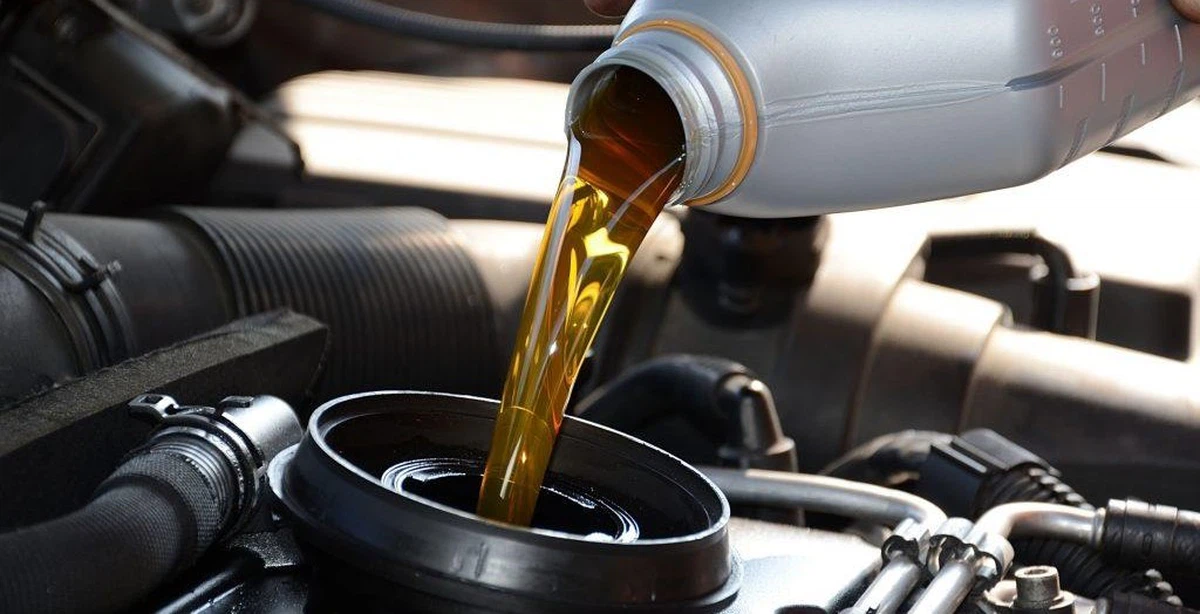
The internal dirtiness of the transmission can cause problems with oil pressure, leading to the BMW experiencing jerking and surging at low speeds when accelerating. The transmission oil should generally be replaced every 60,000 kilometers. If the transmission is dirty inside, replacing the transmission oil can resolve this issue.
Solutions for Low-Speed Jerking:
1:Mismatch Between Engine Speed and Vehicle Speed:
During driving, if there is a mismatch between engine speed and vehicle speed, it can cause a jerking sensation. To address this, consciously release the accelerator pedal slightly before shifting gears. The transmission will promptly respond and automatically complete the gear change. After that, pressing the accelerator again will move the vehicle into a higher gear smoothly.
2:Throttle Control:
If the throttle is pressed a bit harder and the engine speed and vehicle speed are significantly higher than the shifting standard, the jerking sensation during gear changes will be minimized.
3:Shifting at Low Speeds:
When the engine speed and vehicle speed just meet the shifting standard at low speeds, shifting gears at this point can cause a stronger jerking sensation.
Low-speed jerking issues often occur in vehicles equipped with manual transmissions. The most common manifestation is the vehicle shaking when starting from a stop as the clutch pedal is slowly released.
This is due to irregular wear of the components in the clutch, such as the flywheel, clutch disc, and pressure plate, causing one or more of these parts to wobble. During the engagement process, the clutch disc cannot engage smoothly and alternately engages and disengages. This causes the engine power to start transmitting and then suddenly slip, resulting in a jerking motion similar to bouncing.