


Introduction:
In recent years, there has been a growing interest in electric vehicles (EVs) and sustainable mobility solutions. With the aim of reducing greenhouse gas emissions and dependence on fossil fuels, the automotive industry has been revolutionized by the emergence of electric and hybrid vehicles. In this article, we will explore the key concepts and benefits of electric vehicles, along with other related terms that are crucial for understanding sustainable mobility.
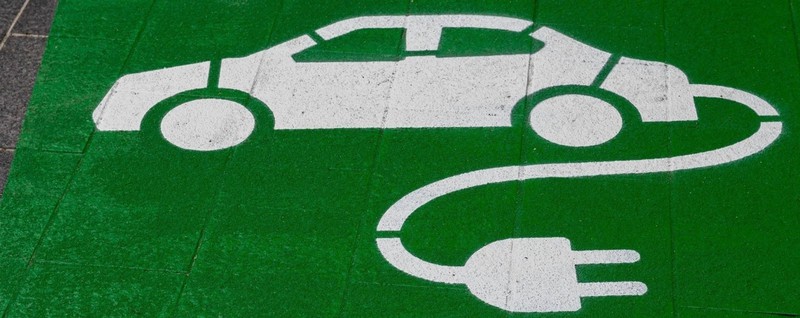
Electric Vehicle (EV):
An electric vehicle, commonly known as an EV, is a type of vehicle that is powered by one or more electric motors. It utilizes electrical energy stored in rechargeable batteries to propel the vehicle. Unlike conventional internal combustion engine vehicles that rely on fossil fuels, EVs produce zero tailpipe emissions, making them a cleaner and greener alternative.
Hybrid Vehicle:
A hybrid vehicle combines an internal combustion engine with an electric motor. It operates by seamlessly switching between the two power sources based on driving conditions. Hybrid vehicles offer improved fuel efficiency and reduced emissions compared to traditional vehicles, as they can utilize electric power during low-speed or stop-and-go situations.
Plug-in Hybrid Electric Vehicle (PHEV):
A plug-in hybrid electric vehicle, or PHEV, is a type of hybrid vehicle that can be charged from an external power source. PHEVs typically have a larger battery capacity than regular hybrids, allowing them to travel longer distances using electric power alone. They offer the flexibility of using electricity for shorter trips and relying on the internal combustion engine for longer journeys.
Battery Electric Vehicle (BEV):
A battery electric vehicle, also known as a BEV, is solely powered by electricity. It relies on a large battery pack to store and provide energy to the electric motor. BEVs do not have an internal combustion engine and produce zero tailpipe emissions. They offer the advantage of being fully electric and are often seen as the future of sustainable transportation.
Fuel Cell Electric Vehicle (FCEV):
A fuel cell electric vehicle, or FCEV, is another type of electric vehicle that uses hydrogen fuel cells to generate electricity. These fuel cells convert hydrogen gas into electricity, which then powers the electric motor. FCEVs emit only water vapor, making them truly zero-emission vehicles. They offer long-range capabilities and fast refueling times, but the availability of hydrogen infrastructure is still limited.
Renewable Energy Vehicle:
Renewable energy vehicles are those that are powered by energy derived from renewable sources such as solar, wind, or hydroelectric power. EVs and other sustainable mobility solutions promote the use of renewable energy, reducing the reliance on non-renewable fossil fuels and contributing to a cleaner environment.
Green Vehicle:
A green vehicle is a broad term that encompasses vehicles with low or zero tailpipe emissions. It includes electric vehicles, hybrids, plug-in hybrids, and fuel cell vehicles. Green vehicles are designed to minimize their environmental impact and promote sustainable transportation solutions.
Zero-Emission Vehicle: Zero-emission vehicles refer to vehicles that produce no tailpipe emissions during operation. This includes electric vehicles, both battery electric vehicles (BEVs) and fuel cell electric vehicles (FCEVs). By eliminating exhaust emissions, zero-emission vehicles contribute to improved air quality and reduced carbon emissions.
Sustainable Mobility:
Sustainable mobility focuses on providing transportation solutions that are economically, socially, and environmentally sustainable. It encompasses various modes of transportation, including electric vehicles, public transportation, cycling, and walking. Sustainable mobility aims to reduce congestion, promote energy efficiency, and minimize the environmental impact of transportation systems.
Electric Mobility: Electric mobility refers to the use of electric vehicles and related infrastructure to enable transportation. It involves the integration of electric vehicles into existing transportation networks, including charging



