




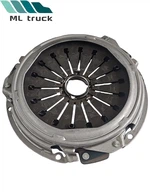


The Connecting Rod (1004020A81DG) in a FAW truck plays a crucial role in the engine's internal combustion process. Its primary function is to transfer motion and force between the piston and the crankshaft. Here's how it works and why it's important:
1. Converting Linear Motion to Rotational Motion
The connecting rod connects the piston (which moves up and down inside the cylinder) to the crankshaft (which rotates). As the piston moves up and down during the combustion process, the connecting rod helps convert this linear motion into the rotational motion of the crankshaft.
This conversion is essential for powering the truck and allowing the engine to drive the wheels.
2. Handling Combustion Forces
During the combustion process, the fuel-air mixture in the cylinder ignites, creating an explosive force that pushes the piston downward. The connecting rod absorbs and transfers this force from the piston to the crankshaft.
It must be strong enough to withstand the high-pressure forces produced during combustion without bending or breaking.
3. Maintaining Engine Timing
The connecting rod helps maintain the precise timing of the engine's components. By properly linking the piston and crankshaft, it ensures that each piston moves in synchronization with the other parts of the engine, which is critical for smooth engine operation.
4. Supporting Engine Efficiency
A well-functioning connecting rod ensures that the energy produced during combustion is efficiently transmitted to the crankshaft. This helps the engine deliver optimal power and torque, improving the truck's overall performance and fuel efficiency.
5. Allowing Reciprocating Motion
The connecting rod allows the piston to move in a reciprocating motion (up and down), while also transmitting this motion to the crankshaft to allow for the smooth operation of the engine.
6. Durability and Heat Resistance
Since the connecting rod operates in the high-temperature and high-pressure environment of the engine, it is typically made of durable materials like forged steel or aluminum alloys. This ensures that it can handle the repeated stresses without failure.
In summary, the Connecting Rod (1004020A81DG) is a key component in the engine, responsible for transferring the piston's movement to the crankshaft, enabling the engine to generate power and drive the truck. Without the connecting rod, the engine could not convert combustion energy into mechanical movement.
To choose a good-quality Connecting Rod (1004020A81DG) for your FAW truck, consider the following factors to ensure reliability, durability, and proper engine performance:
1. Material Quality
The connecting rod should be made of high-quality materials like forged steel, aluminum alloy, or titanium. These materials offer high strength and resistance to wear and heat in the engine's demanding environment.
Look for connecting rods made from forged components, as forging increases the strength and toughness of the material, making it more resistant to stress and pressure.
2. Precision Machining and Tolerances
High-quality connecting rods should be precisely machined with tight tolerances to ensure a perfect fit between the piston and crankshaft.
Check for accurate dimensions, especially in the bearing journals and bolt holes. The connecting rod should be perfectly balanced and have precise alignment to avoid engine imbalance, which could cause vibrations and wear.
3. OEM or Certified Aftermarket Parts
Choose OEM (Original Equipment Manufacturer) parts when possible, as they are designed to meet the exact specifications of the engine and have been tested for compatibility and performance.
If opting for an aftermarket connecting rod, ensure it is from a reputable manufacturer with certifications such as ISO or TS standards, which ensure quality control.
4. Weight and Balance
A good-quality connecting rod should be well-balanced. Imbalances in the connecting rod can cause vibrations, engine knocking, and premature wear of other engine components.
Check for weight uniformity in the set of connecting rods to ensure balanced motion in the engine. High-performance engines demand precision in weight matching between rods to maintain smooth operation.
5. Surface Finish and Coating
The surface finish of the connecting rod should be smooth and free of imperfections like burrs, scratches, or cracks. A high-quality finish ensures that the rod will not have stress concentrations, which could lead to failure over time.
Look for rods with anti-friction coatings or surface treatments that improve wear resistance, reduce friction, and increase longevity, especially in high-performance or heavy-duty engines.
6. Bearings and Bushings
Pay attention to the bearing quality in the connecting rod. The big-end bearing (which connects to the crankshaft) should be durable and provide smooth rotation without friction or wear.
Ensure that the small-end bushing (which connects to the piston pin) is made from high-quality materials like bronze or a similar alloy, providing good resistance to wear and heat.
7. Heat Treatment and Hardness
Ensure the connecting rod has undergone proper heat treatment. Heat treatment strengthens the metal by increasing its hardness, ensuring it can withstand the high stresses of the engine.
You can ask or check for information on hardness ratings (measured in Rockwell hardness) to ensure the rod is appropriately treated for longevity.
8. Brand Reputation
Opt for well-known and reputable brands that have a history of producing high-quality engine components for FAW trucks or heavy-duty vehicles. These manufacturers typically have better quality control processes and provide warranty support.
Read reviews or seek recommendations from professionals or truck maintenance specialists who have used the same brand and model.
9. Inspect for Defects
Before purchasing, physically inspect the connecting rod (if possible) for any visible defects such as cracks, dents, uneven surfaces, or warped structure. Even small imperfections can lead to catastrophic failure in the engine.
10. Price vs. Quality
Avoid choosing the cheapest option, as low-quality connecting rods often use inferior materials and substandard manufacturing processes. While price is important, focus more on value for money by selecting a rod that provides durability and performance.
Compare the price to the market average; a price significantly lower than normal could indicate poor quality.
11. Warranty and After-sales Support
A high-quality connecting rod should come with a warranty from the manufacturer. This is a good sign that the manufacturer stands behind their product and provides after-sales support.
Check the terms of the warranty and whether it covers manufacturing defects or premature failures.
By following these guidelines, you can choose a Connecting Rod (1004020A81DG) that meets the performance requirements of your FAW truck while ensuring durability and long-lasting engine operation.


